Scarifying is the process of removing moss and thatch from your lawn. Thatch is the brown material found underneath grass; the build-up of debris and organic matter like old stems, roots and runners that haven’t fully broken down.
Aeration is the process of alleviating soil compaction. When soil is compacted, grass cannot grow properly because oxygen, water and nutrients cannot get through to the roots.
These two processes are best done one after the other, starting with scarifying. Let’s look at each in a bit more detail.
Scarifying
Thatch is usually tightly woven together and cannot easily be pulled out by hand. If you try and push a finger through your grass into the soil but meet what feels like a thick wool rug, you have thatch that would be better removed.
Why remove thatch and moss?
Getting rid of thatch and moss in a lawn allows water and nutrients to reach the grass roots and promotes healthy growth.
Your lawn can look dull when it’s full of thatch. As the organic material dies around the grass, it will turn brown reducing its visible appeal.
Scarifying also prevents waterlogging and can help contribute to a reduction in grass diseases.
Removing the thatch through scarifying will help the grass become more resilient and fight off the impacts of stress from extreme weather too.
How do I scarify my lawn?
Ideally your lawn soil should be moist but not soaking wet. Spring and autumn are the best times of year to scarify.
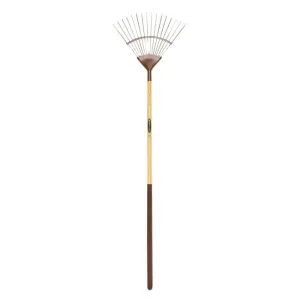
If you want the exercise and prefer to manually scarify your lawn using a sprung rake, simply rake the thatch and moss out of your lawn working in different directions across the grass to make sure you get an even result. Dispose of it in your compost heap.
It’s ok to leave some thatch behind as this will help protect the grass. You’re not aiming to scalp your lawn, just remove most of the material to expose more of the grass and soil.
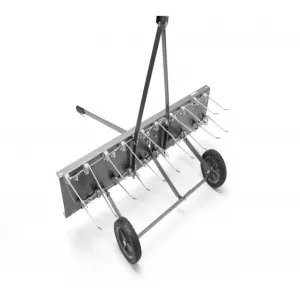
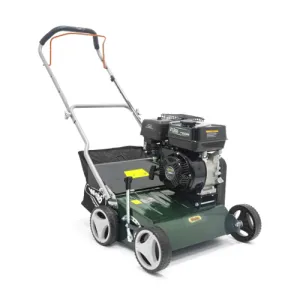
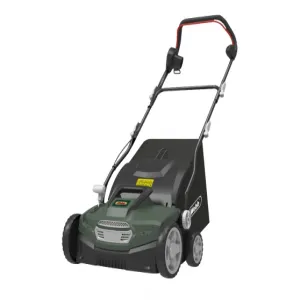
Alternatively, you can use a de-thatching / scarifying machine that will take the strain for you.
Aerating
The best time to aerate your lawn is straight after scarifying. This is because you’ve now exposed more of the soil, meaning your aeration is going to be more effective!
Why Aerate?
Aerating will create holes in your lawn which will help improve drainage, allow water and nutrition to reach the roots, and relieve compaction which will help revive your lawn.
Compacted lawn soil prevents the flow of nutrients needed to support healthy turf growth. This is especially important during periods of stress - such as drought - because compacted areas of lawn will die out and turn brown much more quickly than non-compacted areas.
Lawn weeds - like dandelions - can get a hold in compacted areas of your lawn because they are very good at tolerating these tough nutrient-poor conditions. These weeds can go on to crowd out grass, so it pays to aerate and actively manage the conditions your grass needs for healthy growth.
How do I aerate my lawn?
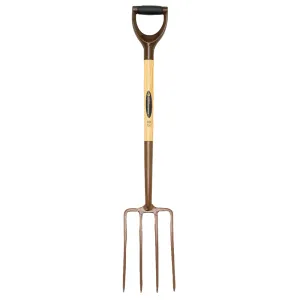
If you are aerating just to introduce oxygen to grass roots, you can do this using a garden fork. Simply push the fork into the soil to a depth of about 4 or 5 inches. Now push the fork forward or pull it back a little to make small holes. Remove the fork, move back about 6 inches and repeat the process.
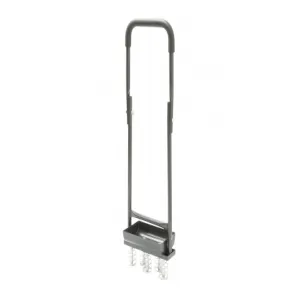
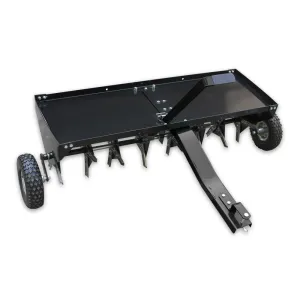
To relieve compaction, you should use a hollow tine aerator to remove plugs of earth from the lawn. Work in the same way - pushing the aerator into the soil, then moving on in 6-inch intervals to cover your lawn.
You can leave the soil plugs removed by the aerator on your lawn to decompose. Alternatively, you could use a rotary mower without a bag to redistribute the soil plugs across the lawn adding beneficial organic matter back to the surface.
Your entire lawn will benefit from aerating, but make sure to concentrate on specific problem areas, or parts of the lawn you know to be severely compacted.
Once you’ve scarified and aerated, your lawn is likely to look worse that when you started, but don’t despair!
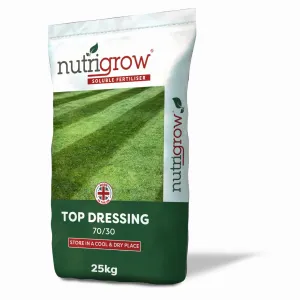
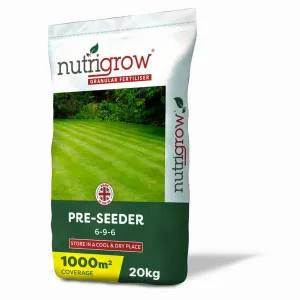
Now is the time to top dress, fertilise with a pre-seed fertiliser, and overseed. Your newly scarified and aerated lawn will benefit hugely from the nutritional boost and be better able to support the germination and growth of your new seed – bringing your lawn back to lush, green life in no time.
This post was written in collaboration with Spencer Haines.
Spencer Haines
Spencer Haines is an experienced turf industry professional and Agrigem’s Technical Account Manager in charge of lawncare. Spencer manages Agrigem’s lawn customers as well as bowls clubs, schools and colleges, and is highly knowledgeable in the technical aspects of creating and maintaining high-performance turf.
Spencer’s experience in professional turf maintenance is coupled with a genuine interest and enjoyment of lawn care that he shares with customers; providing expert advice and guidance built on solid experience. He focuses on working closely with customers to deliver on specific objectives – on time, on budget and to exacting standards.
Article Notes:
- Nutrigrow is a trademark of Agrigem Ltd.
- Use plant protection products safely. Always read the label and product information before use. For label and safety information, refer to the manufacturer’s website.
- Only certified users may apply professional plant protection products. Find out more about safe use of pesticides here.