What is pH?
Soil pH is a measure of the acidity or alkalinity of the soil. The lower the number, the more acidic the soil, and the higher the number, the more alkaline it is:
- pH 0.0 – 4.0 indicates very acidic soil.
- pH 4.1 – 6.5 indicates acid soil.
- pH 6.5 – 7.5 indicates neutral soil.
- pH 7.6 – 8.5 indicates alkaline soil.
- pH 8.6 – 14.0 indicates very alkaline soil.
pH stands for ‘potential of Hydrogen’. In simple terms pH measures hydrogen ions, which interact with minerals in the soil. A high concentration of these ions will show a low pH reading (acidic).
This is because the hydrogen ions literally push good nutrients - like calcium and magnesium - off soil particles making them unavailable for healthy grass growth. The next time it rains, these helpful minerals will wash away because they cannot ‘stick’ to the soil, so they are leached and disappear. This can result in stunted, pale grass and weed growth.
In an alkaline paddock (pH 7.6 or above), instead of too many hydrogen ions, you have too many hydroxyl ions and too much calcium (lime).
When this happens, nutrients like iron, manganese and phosphorous undergo a chemical reaction with the calcium, clumping together to form solid crystals and preventing the grass from absorbing and benefitting from them. This can result in yellow, stunted grass.
Signs of Acidic or Alkaline Soil
Before you test your paddock soil for pH, you may see telltale signs of low or high pH in the form of weed growth:
Acidic soil
The following weeds thrive on acidic soil:
- Soft rush
- Common sorrel
- Sheep’s sorrel
- Bracken
- Buttercup
Alkaline soil
The following weeds thrive on alkaline soil:
- Wild carrot
- Ribwort plantain (this can grow anywhere but thrives in compact alkaline ground).
- Salad burnet
- Chicory
Peaty soils can be naturally more acidic and chalky soils can be more alkaline. But soil can become more acidic over time because calcium and magnesium can be removed in herbage as hay, haylage, or absorbed by grazing horses.
This can also happen when they are displaced by adding other crop nutrients in the form of fertilisers – a key reason why testing soil pH is vital before adding fertiliser.
It is significantly more common in the UK to find acidic paddock soil than it is alkaline paddock soil. This is usually due to our famously wet weather but is also helped by nitrogen rich urine from horses that slowly releases hydrogen ions contributing to acidity.
Acidity is also due to natural rock formations under the soil (like granite, sandstone or shales) which provide no natural buffer against acid.
Conversely, if you live in the South or North Downs in Kent, Surrey or Sussex, the white chalk bedrock keeps the pH high, as does the limestone in the Cotswolds and boulder clay in parts of East Anglia.
Measuring Paddock Soil pH
Getting the right pH for paddock soil then is critical because it dictates the quality, volume, safety, and longevity of your pasture – all of which can indirectly affect the health of your horses and cost you more in supplementary feed where quality pasture is unavailable.
It is extremely easy and inexpensive to measure the pH of your paddock soil. Simply buy a test kit, grab a plastic bucket and a digging tool, and get ready to take a few samples.
Walk in a ‘W’ configuration across the area you want to sample, collecting samples of soil along the way from the same depth as the grass roots. Make sure you include one sample from any specific problem areas if appropriate.
Mix the samples together in a bucket, fill the sample bag(s) and send them back in the pre-paid envelope together with the pre-filled form – simple!
Your soil report will be back with you in two to three weeks and will show your soil pH as well as levels of phosphate, potassium and magnesium.
Adjusting Soil pH
Acidic soil
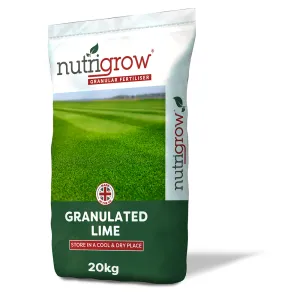
Adjusting acidic soil is a case of adding lime. Liming fields in the UK is a common practice due to this prevalence of acidic soil. Granulated lime is easy to apply, very cost effective, can be used all year round, and will improve the pH almost immediately.
The application rates for maintenance will depend on the soil type (sandy or loamy for example) but are shown on our web page. These rates will make an improvement of around 0.1 pH.
To make a greater jump for a significant fix you will need a higher volume of lime, but take further advice before you do this. If you apply too much lime at once, it can make the soil soft for a few months, resulting in poaching. And as mentioned earlier, over-liming will lock up nutrients like phosphorous and manganese.
Your approach for a fix will depend on your pH results. You may need to use a split application approach, applying half immediately and then the other half in 6-12 months before re-testing, but speak to our qualified agronomists for advice on the right approach for your fields.
Alkaline soil
Adjusting an alkaline paddock is significantly harder than amending an acidic one. If your soil is alkaline because you live on a bed of chalk or limestone (like the Downs), you are essentially fighting against a giant rock that is constantly releasing more lime.
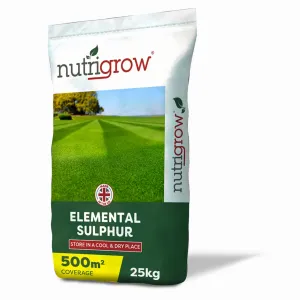
To amend an alkaline paddock, you will need to use elemental sulphur or adjust the nutrient mix by using foliar fertilisers. This will help address the fact that minerals like iron, manganese and copper cannot move through the soil to benefit the grass roots.
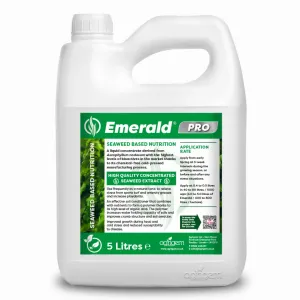
In this case, fertilisers like liquid seaweed can make a significant improvement, but again, get on touch with our technical team for specific advice.
This post was written in collaboration with Millie Wilkinson.
Millie Wilkinson
Millie Wilkinson is Agrigem's Account Manager in charge of equine customers. She has more than 12 years' experience in the equine sector including running her own yard, competing for the England team in the Pony Club, working as a showjumping competition groom, and latterly a showjumping coach.
Millie has ridden, owned, and sold horses her whole life. She is an established name online where she is an active voice in the latest conversations around horse health and the world of buying and selling elite horses. Millie is a keen proponent of good grazing nutrition and the importance of high-quality paddock maintenance in supporting the health of all horses.
Article Notes:
- Nutrigrow is a trademark of Agrigem Ltd.
- Use plant protection products safely. Always read the label and product information before use. For label and safety information, refer to the manufacturer’s website.
- Only certified users may apply professional plant protection products. Find out more about safe use of pesticides here.