Here’s why:
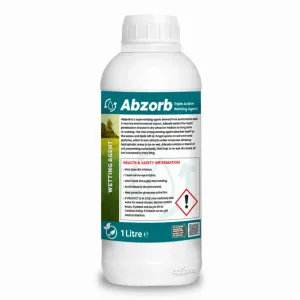
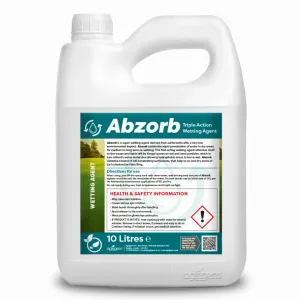
Wetting Agents
While a wetting agent might sound counter-intuitive when the ground is wet, they’re a must-have for helping a flooded lawn recover - and sustain itself - when drier weather arrives.
This is because wetting agents allow surface water to bypass the waxy organic layers of the grass blades, penetrating the soil profile immediately – rather than leaving it sitting on the top.
Once in the soil, wetting agents help the water spread evenly into the tiny micropores of the soil. This makes the soil stickier, allowing it to keep moisture in the root zone for longer – preventing it from draining away into deeper subsoil.
Large soil pores are kept clear for oxygen and drainage, So, by improving the ‘wettability’ of the entire soil system before the drier weather arrives, water moves more efficiently than it would through dry, patchy soil – significantly improving the quality of your spring/summer lawn.
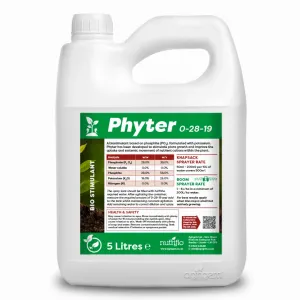
Phosphorous Biostimulants
When the soil is cold (under 12°C) and very wet, phosphorous becomes unavailable to the plant. Deficiency can be seen as a purplish / reddish tint to the leaves. If you are seeing this on your grass, consider using a phosphorous biostimulant like Phyter.
Your New Programme for March
Now we understand the role these two products can play in supporting cold, wet, lawn recovery, here’s your new March Lawncare Programme, adjusted for the weather!
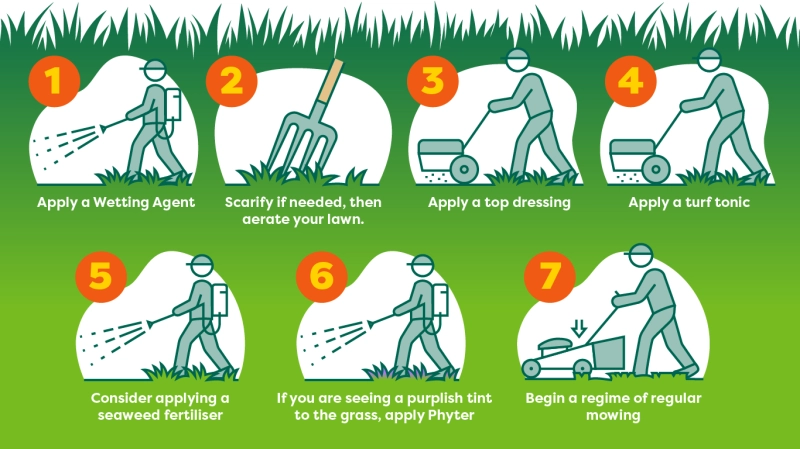
- Apply a Wetting Agent according to label instructions.
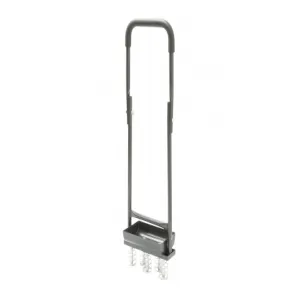
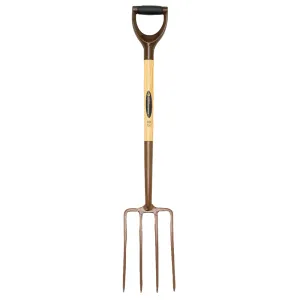
- Scarify to remove dead moss and thatch if needed, then aerate your lawn to introduce air to the roots and improve compaction.
- Apply a top dressing to fill holes made by the aeration process and help drainage.
- Apply a turf tonic to improve photosynthesis and turf strength ready for spring.
- Consider applying a seaweed fertiliser in addition to the turf tonic to improve grass yield in spring.
- If you are seeing a purplish tint to the grass, apply Phyter according to label instructions.
- Begin a regime of regular mowing, gradually lowering the cutting height towards your desired summer level. Remove just the tips - no more than the top third – to help reduce stress on the plant while it's still recovering from the wet.
This guide was written in collaboration with Ollie Wright.
Ollie Wright MBPR, FQA
Ollie Wright serves as the Technical Manager at Agrigem, where he oversees the integrity and accuracy of the company’s technical output. A recognised figure within the UK turf-growing sector, Ollie leads Agrigem’s technical response, ensuring that all guidance provided to retail and trade clients remains rigorous, compliant, and at the forefront of industry standards.
With a career built on a foundation of practical experience in farming and landscaping - including the successful management of his own firm - Ollie bridges the gap between theoretical science and field application. His extensive hands-on background is reinforced by industry credentials, including RHS Horticulture, amenity turf and hard surface BASIS, and FACTS qualifications. This unique combination of expertise allows him to deliver high-level strategic advice across diverse sectors regarding plant protection products and complex legislative requirements.
Article Notes:
- Abzorb, Nutrigrow and Emerald are trademarks of Agrigem Ltd.
- Phyter is a trademark of WCF Ltd
- Use plant protection products safely. Always read the label and product information before use. For label and safety information, refer to the manufacturer’s website.
- Only certified users may apply professional plant protection products. Find out more about safe use of pesticides here.