If you have dogs, or dogs visit your lawn, you will be familiar with patches of dead grass – sometimes surrounded by a ring of darker green lush grass.
This happens when the highly concentrated nitrogen and salts in dog urine overwhelm and kill the grass. As the urine diffuses outwards, the nitrogen dilutes to a level that the grass can use as a fertiliser, boosting its growth and colour.
It is a common misconception that the acidity / pH of dog urine is what causes the death of the grass. While pH can vary, the overwhelming cause of the burn is nitrogen scorch.
Small patches may resolve themselves as the surrounding grass grows into the patch. However, this can take some time to fill in and until then, you are left with an unsightly lawn.
If you happen to be in the garden when dogs are urinating, the most effective thing you can do is to soak the patch with water and try and wash away the urine to prevent the burn effect.
If you can do this as soon as the dog has urinated, you may be able to flush the urine enough to keep it from damaging the grass.
However, unless you are in the habit of following your dog around with a bucket of water, this can be very difficult to achieve! This means the only realistic way to prevent your lawn looking like it’s the victim of dry patch, is to fix the patches when they appear.
Prepare the Patch
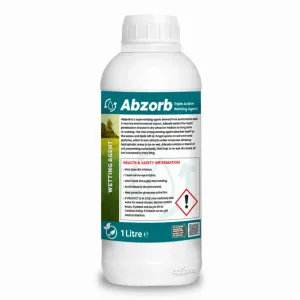
Even if you missed washing away the urine as soon as it appeared, you still need to soak the brow patch deeply to flush out any remaining nitrogen and push it away from the roots. Do this several times.
Once you have flushed the patch, you need to prepare the ground to make way for seed. Use a rake or hand rake to remove the dead brittle grass and expose the soil underneath.
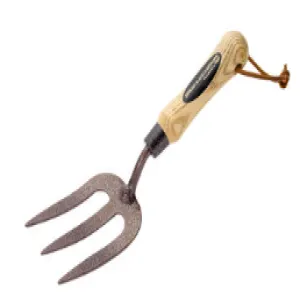
Aerate the soil if it feels particularly compacted and loosen the top layer with a hand rake or garden fork. This will help with drainage and root growth.
Reseed
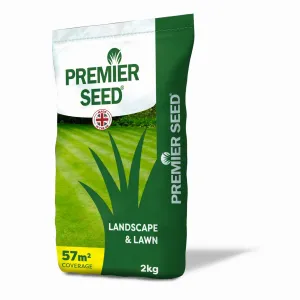
Choose your preferred grass seed or use a seed specifically designed to repair pet urine patches. These products often contain robust seed cultivars that can be more resistant to dog urine.
Sprinkle the grass seed into the new bare earth patch and then cover lightly with a thin layer of soil, sand or compost – this will help the seed to establish firm roots.
Finally, use a fine rose or fine spray to water the new seed taking care not to wash it away. You will need to do this daily, at least initially as the seeds germinate and take root. You are aiming to keep the patch moist but not soaking wet. Once the new grass is about an inch high, you can stop watering.
Keep your dog off this new patch as it grows to give it the best chance to re-establish and merge with your lawn.