First the good news. If you have docks and nettles growing in your paddocks, it can be a sign that your soil is fertile.
The Problem with Docks and Nettles
But that’s where the good news ends we’re afraid, because if you have a lot of docks growing, this can also be a sign of compacted soil.
And, while they are not toxic in the way that ragwort is, both these weeds are highly invasive, crowding out grass growth and displacing productive pasture.
But one of the key reasons to control them relates to the law. The Weeds Act 1959 names broad-leaved and curled docks as ‘injurious weeds’. This means that you have a legal responsibility to prevent them spreading to land used for agriculture or grazing.
A single dock plant can produce more than 60,000 seeds a year. These can live in the soil for over 60 years and if left unchecked will simply crowd out pasture and productive space for agriculture.
Controlling Docks and Nettles
Government guidance suggests a variety of methods for the control of docks, including:
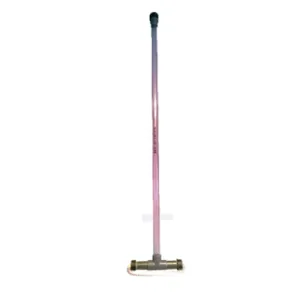
- spraying or target-wiping plants with chemicals,
- pulling or digging out live, dead or dying plants,
- cutting back plants to prevent seeds dispersing,
- burning plants using a spot burner, and
- preventing over-grazing (creating bare areas where weeds can grow).
When it comes to nettles, the treatment options are similar. Some paddock owners may undertake frequent topping before they set seed – to try and exhaust the root system.
You might consider digging nettles out if you only have a small patch, but you must ensure you get the entire yellow running roots out of the ground, or they will simply regrow.
The time of year together with the total volume of weeds growing on your land may dictate the method you choose. But when it comes to eradicating docks, you will need to consider that it can take more than one season to completely get rid of them.
This is due to the seed proliferation, but also their thick taproots (up to 1.5m long) can regrow if not completely removed. This is often why many paddock owners choose an herbicide application for full control.
Chemical Control of Docks and Nettles
If you opt for a chemical control, ensure you are choosing a selective herbicide which will not damage your grass.
Key products include:
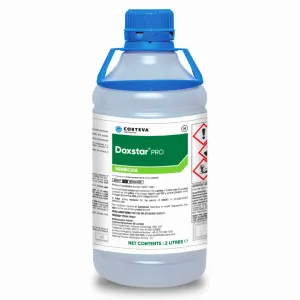
- Docks: Doxstar Pro
- Nettles: NettleX
Although NettleX will also treat docks, with both products, you must ensure you treat docks in the spring when they are in rosette stage – and only up to 25 cm high.
On large well-established docks or where there is a high volume of seed in the soil, a second application the following year may be required.
NettleX will treat nettles if they are sprayed when actively growing but preferably before flowering (normally up to mid-June).
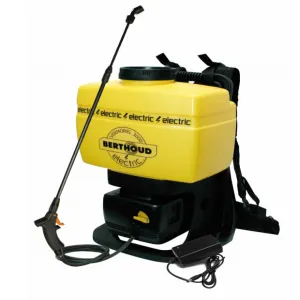
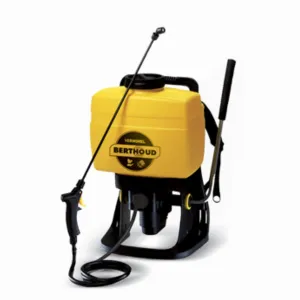
We would recommend using Doxstar if boom spraying a larger area – for both weeds - and NettleX for treating smaller areas with a knapsack sprayer.
For both products, you should ensure you exclude livestock during treatment and do not allow grazing of treated grassland for at least seven days following treatment.
Questions about the control of docks and nettles? Get in touch with our technical team for free expert advice.
This post was written in collaboration with Millie Wilkinson.
Millie Wilkinson
Millie Wilkinson is Agrigem's Account Manager in charge of equine customers. She has more than 12 years' experience in the equine sector including running her own yard, competing for the England team in the Pony Club, working as a showjumping competition groom, and latterly a showjumping coach.
Millie has ridden, owned, and sold horses her whole life. She is an established name online where she is an active voice in the latest conversations around elite horses. Millie is a keen proponent of good grazing nutrition and the importance of high-quality paddock maintenance in supporting the health of all horses.
Article Notes:
- Other common weeds that are termed ‘injurious’ under the Weeds Act 1959, are ragwort, spear thistle and field thistle. Read more about common paddock weeds in our guide here.
- NettleX is a trademark of Nufarm UK Limited.
- Doxstar Pro is a trademark of Dow Agrosciences Limited.
- Use plant protection products safely. Always read the label and product information before use. For label and safety information, refer to the manufacturer’s website.
- Only certified users may apply professional plant protection products. Find out more about safe use of pesticides here.