Why pH is the Secret to Great Vegetable Growing
Think of soil pH as the indicator setting for nutrient absorption. If the pH is off, your vegetable plants can't absorb the nutrients - no matter how much fertiliser you add.
It is therefore vital to test your vegetable growing soil before you start growing.
| pH Range | Classification | Impact on Vegetables |
| 1.0 – 5.8 | Acidic | Great for potatoes, sweet potatoes, radishes, blueberries. Too harsh for most greens. Can be tolerated by carrots, tomatoes, cucumbers and squash. |
| 6.0 – 7.0 | Neutral | The sweet spot for most vegetables. |
| 7.2+ | Alkaline | Tolerated by asparagus, brassicas, some legumes and leafy greens. However, a high alkaline soil can lead to iron deficiency (yellowing leaves) because the iron becomes locked up, meaning plants cannot reach it. |
The Big Five - What Your Vegetables Crave
Every vegetable has a unique diet. Here’s how to cater to the most popular crops:
- Leafy Greens (lettuce, spinach): High-nitrogen lovers. They need well-drained soil and a neutral pH (6.0-7.0) to produce those lush, crisp leaves.
- Root Veg (carrots, parsnips): Keep it balanced. Too much nitrogen will give you beautiful tops but tiny, stunted roots. Aim for pH 6.0-8.0.
- Beans and Legumes: These are easy-going but prefer a slightly acidic to neutral range (6.0-6.5).
- Potatoes: The acid-lovers (4.8-5.5). Keeping the pH low is your best defence against common scab, which thrives in alkaline conditions.
- Brassicas (cabbage, broccoli): These plants are hungry for nitrogen. Keep the pH slightly higher (6.5-7.0) to help prevent the dreaded clubroot fungus.
Depending on the size of your plot or your vegetable growing ambitions, you can either grow to the type of soil you have - choosing vegetables that will tolerate your soil type - or amend your soil to the pH range you need.
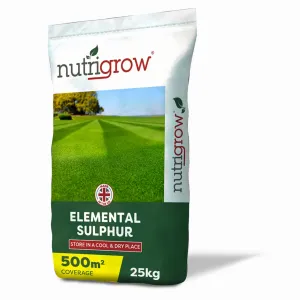
If you choose the latter strategy, you will need lime to raise the pH level or elemental sulphur to lower it.
For very large areas, take a look at our guide to paddock soil pH which provides more detail on the issues around amending larger areas and how to approach amending very alkaline soil.
Choosing Your Fertiliser
Great Foundations
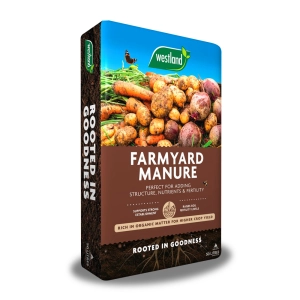
Use well-rotted manure or leaf mould to condition the soil first. These products improve the texture of heavy clay and help sandy soil hold onto water. Always ensure manure is well-rotted because fresh manure is too high in ammonia and can burn your plants’ tender roots. Fresh manure that contains a lot of un-rotted straw or wood shavings is also bad as the process to break this organic matter down will temporarily take nitrogen from the soil and mean it is not there for the vegetables to use.
Take a look at our guide to improving garden soil for more useful information.
Apply manure or leaf mould a few weeks before sowing or transplanting. Apply granular fertiliser once the soil warms to at least 5°C – usually March to May when the growth phase starts.
Incorporate granular fertiliser into the soil or gently fork it into the surface around established plants. Always check the product label and apply only at the advised application rates.
Granular Vegetable Fertiliser Recommendations:
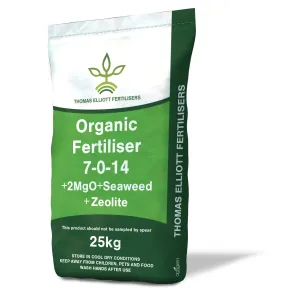
- 7-0-14+2Mg with added seaweed – an organic fertiliser for healthy plant metabolism.
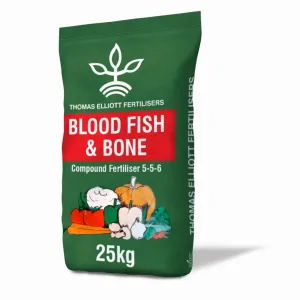
- Blood, Fish and Bone – a great organic-based general plant food.
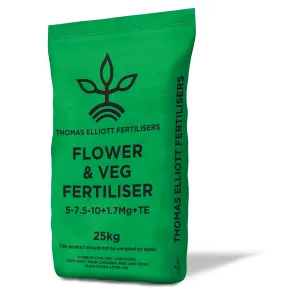
- 5-7-10+TE formulated for flowers and vegetables - releases over a six-week period.
- 7-7-7 Nutrigrow Growmore Fertiliser – perfectly balanced and highly effective general-purpose fertiliser.
Later in the growing season, or when your vegetable plants need a quick boost, liquids are the way to go. They are absorbed almost instantly through the roots and leaves, making them ideal for correcting deficiencies mid-season.
Apply liquid fertilisers from June to August when they may be in need of a boost. ‘Hungry’ vegetables like tomatoes, peppers and brassicas will thank you!
Liquid Vegetable Fertiliser Recommendations:
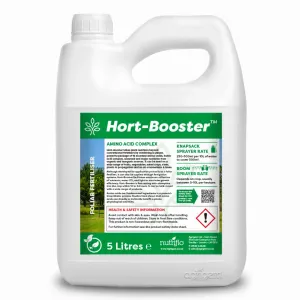
- Hort Booster – contains 19 essential amino acids, seaweed and other nutrients.
- Emerald Pro – a high-quality seaweed fertiliser; helps crop recovery after periods of stress.
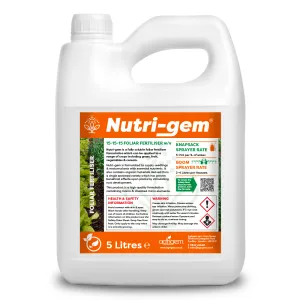
- Nutri-Gem – for a fast response time, very good value for money.
This guide was written in collaboration with Ollie Wright.
Ollie Wright MBPR, FQA
Ollie Wright serves as the Technical Manager at Agrigem, where he oversees the integrity and accuracy of the company’s technical output. A recognised figure within the UK turf-growing sector, Ollie leads Agrigem’s technical response, ensuring that all guidance provided to retail and trade clients remains rigorous, compliant, and at the forefront of industry standards.
With a career built on a foundation of practical experience in farming and landscaping - including the successful management of his own firm - Ollie bridges the gap between theoretical science and field application. His extensive hands-on background is reinforced by industry credentials, including RHS Horticulture, amenity turf and hard surface BASIS, and FACTS qualifications. This unique combination of expertise allows him to deliver high-level strategic advice across diverse sectors regarding plant protection products and complex legislative requirements.
Article Notes:
- Nutrigrow, Nutri-Gem, Emerald and Nutriflo are trademarks of Agrigem Ltd.
- Blood, Fish and Bone is a trademark of Thomas Elliott Fertilisers.
- Flower & Veg Fertiliser is a trademark of Thomas Elliott Fertilisers.
- Use plant protection products safely. Always read the label and product information before use. For label and safety information, refer to the manufacturer’s website.
- Only certified users may apply professional plant protection products. Find out more about safe use of pesticides here.