The Impact of Drought on Nutritional Levels of Pasture
Even though grass looks dead in a drought, it can remain very high in non-structural carbohydrates (NSCs). For horses prone to laminitis or EMS (Equine Metabolic Syndrome), this can be a major trigger.
Whilst it might look like hay, nutritionally, it is not. Hay is usually cut at a specific growth stage and dried, which often results in lower sugar levels than stressed, standing grass.
- Green Grass uses the sugars it creates to grow new leaves and stems.
- Dry brown grass has stalled due to lack of water – so the plant stores sugars (fructans) at the base of the stem to survive.
In addition to the high sugar content of drought-impacted grass, other vital nutrients can also disappear in heat-stressed pasture.
Vitamins A and E are abundant in fresh green grass but degrade rapidly once the plant turns brown.
Green grass typically contains 12 - 20% protein. Once it turns brown and crispy, the protein content can drop to 4 - 6%. This is often below the maintenance requirement for a horse, meaning they may start to lose muscle tone despite looking ‘full’.
As grass dries out on the stem, it becomes highly lignified. Lignin is the woody part of the plant that makes it stand up.
- Unlike hay (which is preserved at a digestible stage), drought-stricken grass becomes very stemmy and difficult to ferment in the hindgut.
- This can lead to impaction colic, as your horse is eating high-volume, low-moisture, fibre that doesn't move easily through the digestive tract.
Preparing Drought-Tolerant Pasture
When it comes to keeping pasture as green as possible for as long as possible, there are three key areas to focus on: soil condition, seed selection, and nutrition.
Soil condition
One of the most important processes to undertake in spring is a soil test. This will indicate the pH level of your paddock soil and show you which nutrients are available to support healthy grass growth throughout the season.
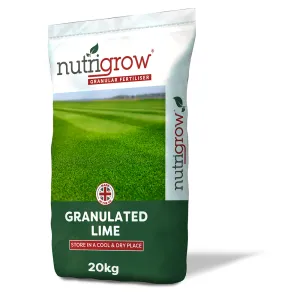
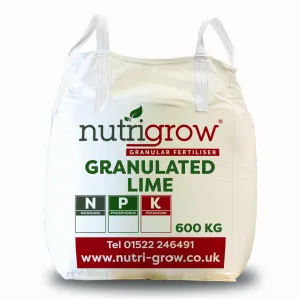
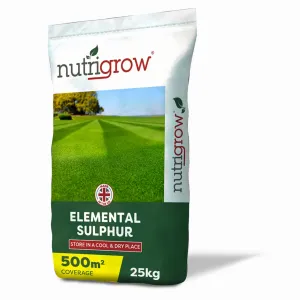
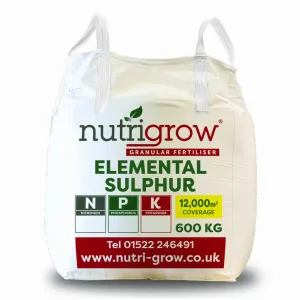
If your soil is too acidic or alkaline (below pH 6.0 or above 7.0), the grass cannot absorb the nutrients it needs to stay healthy, making it much more vulnerable to drought. In this instance, you will need to add lime or sulphur to the soil to amend it.
- Consider biostimulants which can help the plant cope with environmental stress. Foliar seaweed sprays are proven to help plants tolerate heat. They contain natural hormones (cytokinins) that help prevent the grass from going into shut-down mode. Cytokinins are primarily produced in the roots and sent up to the leaves. When you apply seaweed as a foliar spray, you are giving the plant the growth signal it usually lacks when its roots are struggling in dry soil. Apply monthly from May onwards.
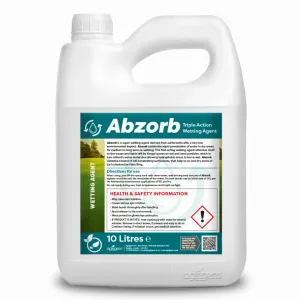
- If your soil is sandy or becomes hydrophobic (water-repellent) when dry, apply a wetting agent (like Abzorb). This ensures that when it does rain, the water penetrates the root zone instead of running off the surface. You should not let horses graze immediately after application, and ensure you water the product in (using 10–15mm of water) or apply it right before heavy rain. Once the product has been washed off the grass blades and into the soil, it is generally considered safe to return horses to the paddock. Apply in March / April for best effects (and when there is a higher chance of rain).
Seed selection
Most standard UK paddock mixes rely heavily on perennial ryegrass. While fast-growing, it has a shallow root system that gives up as soon as the top few inches of soil dry out.
To prevent brown and crispy grass, you need species that can reach deeper water, so avoid mixes that are solely or heavily ryegrass based.
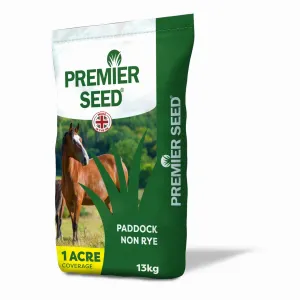
Consider a non-rye mix like Paddock Non-Rye. This contains a good blend of cultivars including cocksfoot and strong creeping red fescue which are known for their drought tolerance.
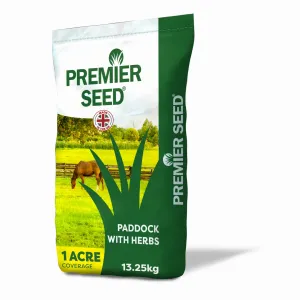
Our Premier Paddock with Herbs is a great drought-tolerant mix because it contains a variety of specific deep-rooted herbs, including:
- Cocksfoot – one of the most drought-tolerant grasses available.
- Strong Creeping Red Fescue: Great for a dense mat (and very drought-tolerant).
- Burnet is a deep rooter that is highly palatable and thrives in dry, thin soils (especially chalky or sandy ground).
- Yarrow is known for its ability to survive in wasteland conditions and can act as a soil stabiliser during dry spells.
Use this mix to seed in early spring (March / April). This will let roots establish before the heat hits.
Note that herbs are broadleaved and so will be killed with a selective herbicide. Ensure that you are sowing into a clean seed bed and then if needed, spot spray to control any weeds after they have established – rather than blanket spraying the whole field.
Nutrition
Fertiliser isn't just about making grass grow fast; it's about making it resilient. In a drought context, potassium (K) is your most important nutrient.
Potassium regulates stomatal conductance – meaning it essentially controls the stomata (pores) on the grass blade. A plant with sufficient potassium can close its pores efficiently to prevent water loss.
- Apply a pre-drought feed with a High-K fertiliser in late spring.
- Avoid high nitrogen (N) in late spring because it will create lush watery growth that is susceptible to heat stress.
Get in touch with our equine team for more information about managing drought risk in your paddocks.
This post was written in collaboration with Millie Wilkinson.
Millie Wilkinson
Millie Wilkinson is Agrigem's Account Manager in charge of equine customers. She has more than 12 years' experience in the equine sector including running her own yard, competing for the England team in the Pony Club, working as a showjumping competition groom, and latterly a showjumping coach.
Millie has ridden, owned, and sold horses her whole life. She is an established name online where she is an active voice in the latest conversations around elite horses. Millie is a keen proponent of good grazing nutrition and the importance of high-quality paddock maintenance in supporting the health of all horses.
Article Notes:
- Nutrigrow, Emerald, and Abzorb are trademarks of Agrigem Ltd.
- Use plant protection products safely. Always read the label and product information before use. For label and safety information, refer to the manufacturer’s website.
- Only certified users may apply professional plant protection products. Find out more about safe use of pesticides here.