The Problem with Green Growth and Algae on Recreational Surfaces
No recreational surface is maintenance-free. Whether you’re looking after artificial turf, polymeric playground surfaces, athletics tracks or tennis courts, the surface is likely to be susceptible to moss and algae growth over winter.
Any surface with a texture has small gaps to let water drain through. These gaps fill with small bits of debris over winter which create the right conditions for greenery and algae to move in.
These issues are more likely in shaded areas, or parts of the surface where air flow and drainage are poor – introducing the risk of slipping to play.
Whilst brushing and washing will help remove some deposits, consider first the potential for damage with a mechanical method of removal – especially if you have heavy green growth.
This is because moss-like growths and algae can damage a playing surface – expanding and opening small cracks in hard surfaces. A hard brush or power wash may inadvertently make the damage worse.
However, using a purpose-made tool on hard surfaces that can withstand a brushing (like tarmac, concrete and wood) can be considered.
With 2G and 3G pitches, green growths can also bind to the fibres – which often come away with heavy power washing or brushing.
So, for playability, longevity, safety, and visual appeal, getting rid of algae from recreational surfaces needs careful consideration.
The Gold Standard in Algae Removal
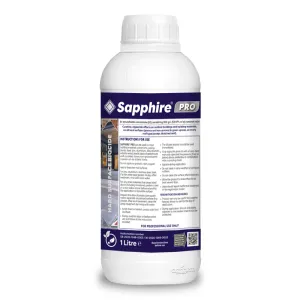
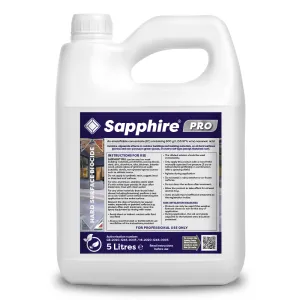
Products like Sapphire Pro are formulated to remove algae and green deposits, and prevent them from regrowing on hard surfaces. This means that while they can work well to complement physical removal methods, they give you an added prevention element.
Sapphire Pro is a plant derivative and has a very low environmental hazard classification making it safe to use both for environment and operator – perfect for treating recreational surfaces in public areas.
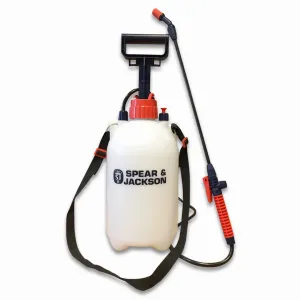
It will not foam up in a watering can or spray tank and does not need to be applied through a pressure washer; it can simply be diluted at the correct rate, sprayed on and left to work.
You do not need to brush, scrub or wash the surface after application either. The active ingredient – nonanonic acid - will do the hard work for you.
Nonanoic acid is a naturally occurring saturated fatty acid with antifungal properties. It works by stripping the waxy cuticle of the algae causing cell disruption and leakage, and finally death by desiccation.
The same volume of Sapphire Pro goes further than other products too. To cover a tennis court (555m2), you need 20L of MMC (or a similar competitor product) in 200L of water. With Sapphire Pro you need just 1L in 15L of water to cover the same tennis court sized area.
Surface Types
Sapphire Pro can be used on the following surface types:
- 2G pitches
- 3G pitches
- 4G/5G/6G pitches
- Acrylic
- Artificial clay
- Blaes
- Bonded rubber mulch
- Honeycomb grass matting
- Hybrid grass
- Interlocking modular tiles
- Natural grass pitches and courts
- Needlepunch
- Pea gravel
- Play grade bark
- Play sand
- Polished concrete
- Porous Macadam
- Porous polymeric
- Real clay
- Rubber chippings
- Rubberised tarmac / EPDM
- Sandwich systems
- Solid polyurethane
- Waxed sand
This blog post was written in consultation with Dave Rowsell
Dave Rowsell
Dave Rowsell is Agrigem’s Account Manager in charge of leisure and holiday park sites. With a strong background in the landscape supplies sector, Dave brings deep experience of grounds maintenance, facilities management and landscape contracting to bear when meeting the needs of leisure and holiday park customers.
Joining Agrigem in 2022, Dave has built a reputation for great service and is a trusted source of advice when it comes to product and process knowledge – ensuring holiday parks have the right products at the right time, together with the right knowledge and skills to manage an effective grounds maintenance programme.
Article Notes:
- Sapphire is a trademark of Agrigem Ltd. It contains 500g/L nonanoic acid.
- Use plant protection products safely. Always read the label and product information before use. For label and safety information, refer to the manufacturer’s website.
- Only certified users may apply professional plant protection products. Find out more about safe use of pesticides here.