The Three Types of Fairy Ring
Fairy ring is one of the most frustrating fungal issues to affect turf grass.
Unlike many other lawn diseases, the fungi responsible don’t usually feed on the grass directly; instead, they break down organic matter in the soil, which indirectly alters how the grass grows. It usually presents itself in one of three ways:
Type One (The Damaging Kind)
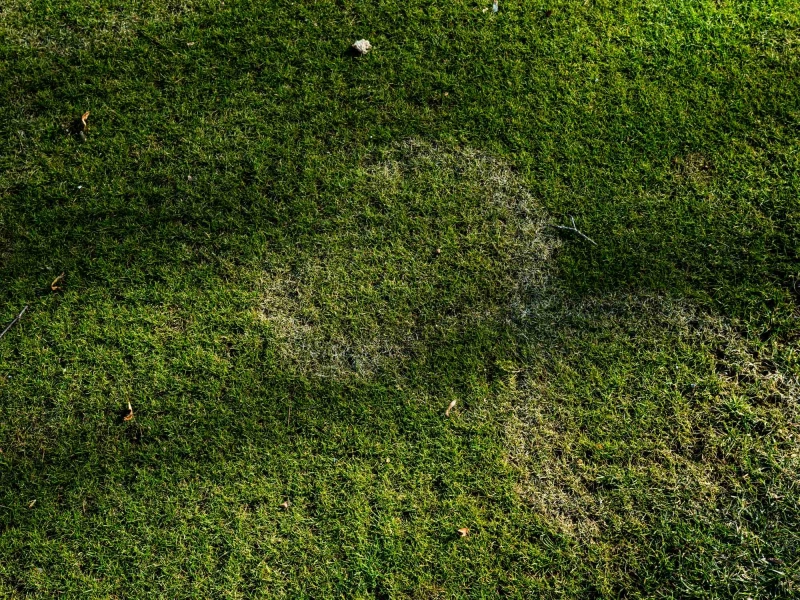
A ring of dead or severely scorched grass, sometimes bordered by a lush green outer ring. The fungus creates a completely waterproof (hydrophobic) mat underground, meaning the grass roots literally starve of water.
Type Two (The Green Grass Ring)
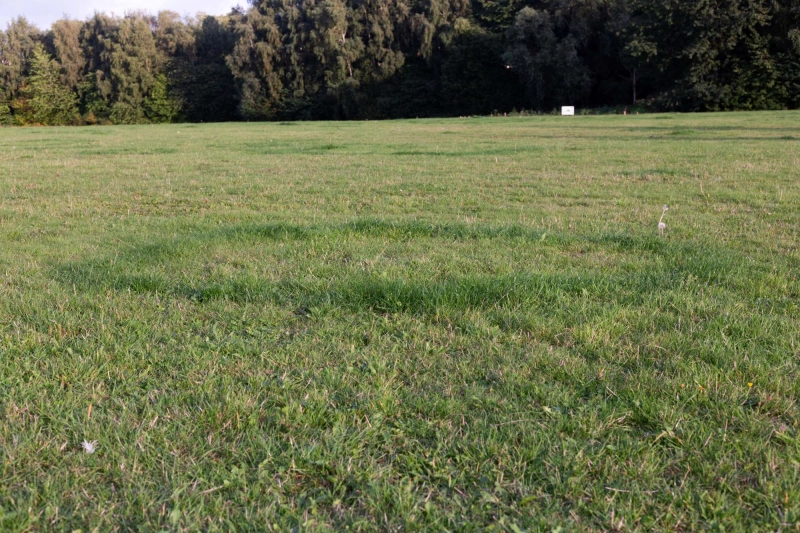
A distinct ring of vibrant, lush, dark green grass. The fungus is releasing nitrogen as it breaks down organic matter, acting like a localised fertiliser.
Type Three (The Mushroom Ring)
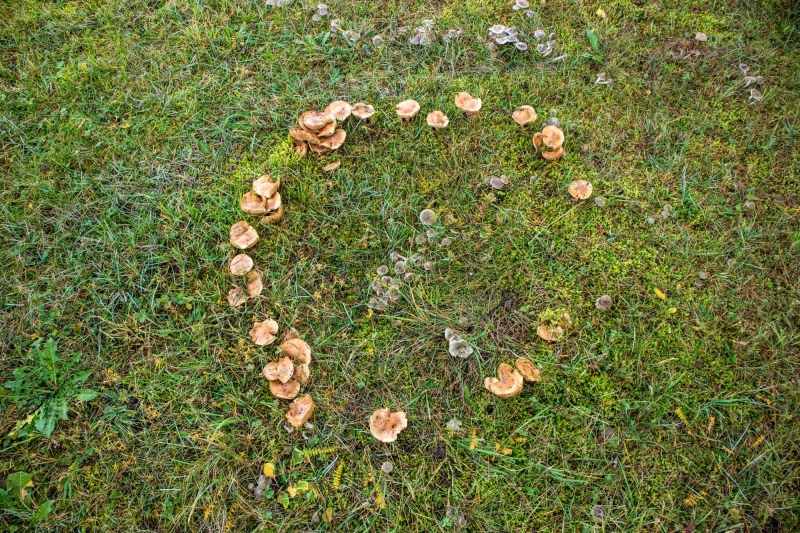
A circle of toadstools or puffballs with no noticeable change to the colour or health of the grass itself.
With the current erratic weather patterns, type two rings are rapidly shifting into type one as the heavy rains sit on top of waterproof fungal zones, leaving the roots bone dry underneath.
How to Manage Fairy Ring Outbreaks
Because the fungus lives deep in the root zone and creates a water-repellent barrier, traditional domestic fungicides aren't an option. Instead, the goal is to break the barrier and manage the turf health.
Here is our step-by-step advice for tackling fairy ring right now:
- Grab a garden fork or a mechanical aerator and heavily spike the affected ring, extending at least 50cm beyond the visible edge. You need to puncture the underground hydrophobic layer to allow air and water to break through.
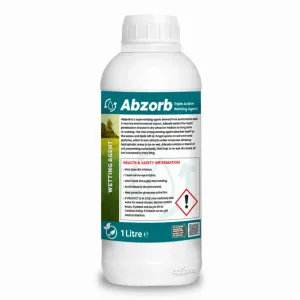
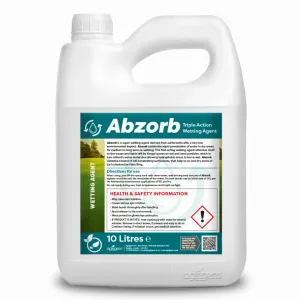
- Applying a specialist wetting agent is crucial. It breaks the surface tension of the water, forcing moisture deep into the dry root zones to revive the grass.
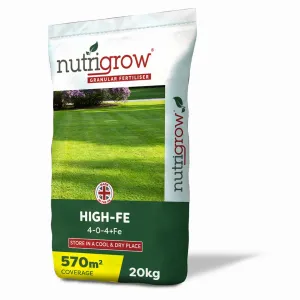
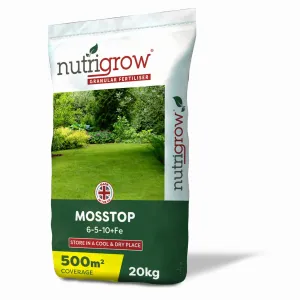
- Regularly scarify to remove the thatch layer (their food source). Additionally, applying a balanced fertiliser with some iron in it across the entire area of grass will help mask type two rings by evening out the colour of the rest of your grass.
- Remove the fruiting bodies if you have type three rings. Pick or brush away the toadstools before they mature. This stops them from releasing millions of airborne spores across the rest of your garden.
If you’ve got a stubborn fairy ring impacting your grass, drop a photo to our technical team, and let us help you identify it and manage it.
This post was written in collaboration with Harry Glenn.
Harry Glenn
Harry Glenn is Agrigem’s Technical Account Manager in charge of sports.
Prior to his move to Agrigem, Harry enjoyed a career in business development with, among others, a well-known sports turf contractor. This role exposed him to some of the UK’s most prestigious sporting venues including Cheltenham Racecourse, Wimbledon, Wentworth and Lords - delivering a lifelong appreciation of the benefits of high-quality sports turf.
An experienced Account Manager, Harry has a genuine interest in the sports turf sector and underpins much of his advice and guidance with practical experience at the coalface of turf growing. When not talking about turf, Harry is playing on it, competing at county level golf with a scratch handicap!
Article Notes:
- Nutrigrow and Abzorb are trademarks of Agrigem Ltd.
- Use plant protection products safely. Always read the label and product information before use. For label and safety information, refer to the manufacturer’s website.
- Only certified users may apply professional plant protection products. Find out more about safe use of pesticides here.