Here’s your essential guide to getting your garden through the next few weeks and prepping it for future heatwaves.
| Area of Use | Do This Now | Why? |
| Lawns | Irrigation
Water your lawn deeply first thing in the morning (between 5am and 9am). Use a self-watering irrigation timer to ensure you get the timing right. Aim to distribute around 1.5 inches of water. Place a can on the lawn and time how long it takes to fill to 1.5 inches and set your timer accordingly. Do this 2-3 times a week while the weather is very warm. See all our irrigation products here. Don’t mow your grass until the heatwave is over. |
Watering in the morning helps you control evaporation and disease. If you wait until the sun is blazing, you will lose a significant amount of water to evaporation and wind. Plus there is a risk of scorch if watering in bright sunlight When you water at night, the water sits on the grass blades for 8 to 10 hours because there is no sun to dry it off. Prolonged darkness, cool air, and trapped moisture create the perfect breeding ground for fungal diseases (like brown patch or dollar spot) that can wreck your lawn. Keep your grass longer in a heatwave. Taller grass shades the soil, keeping the ground cooler and preventing moisture from evaporating. When you cut the grass short, you expose the soil directly to the blazing sun. The ground will dry out rapidly, depriving the roots of the little water they have left. During a heatwave, grass enters a semi-dormant survival mode to conserve resources. Forcing it to use energy to heal mowing wounds - instead of keeping its roots alive - can shock the plant and cause it to turn brown and die. |
| Lawns | Nutrition
Use a liquid seaweed feed to help your grass access water lower in the soil, and to keep plant cells working through drought conditions. Apply seaweed right after you have watered the lawn to help it absorb into the soil. Find out more about how seaweed helps grass to survive environmental stress here. Do not use granular fertilisers when the weather is hot and dry as it can damage / scorch the grass. |
Seaweed contains special molecules called Osmoprotectants that stabilise fluid inside plant cells, preventing them collapsing in drought conditions. It also triggers stress-response genes that allow plants to close their microscopic leaf pores quickly during peak heat to lock in moisture. The alginic acid in seaweed binds with soil particles to create a microscopic gel matrix that keeps water from evaporating or draining away from baked earth. It also contains natural hormones that encourage deep, strong root development so plants can access moisture buried further down in the soil. Finally, seaweed delivers a rich dose of vitamins, minerals, and carbohydrates that naturally strengthen a plant's defences against heat stress and disease |
| Beds and Borders | Irrigation
Water borders exclusively in the early morning. Ensure you water the soil and not the leaves. Water deeply and slowly every few days. Prioritise recent plantings (anything put in the ground this year doesn't have an established root system yet), followed by hydrangeas, ferns, and lush, leafy perennials. Established trees, shrubs, and Mediterranean herbs (lavender, rosemary) can handle the drought much better. |
Early morning watering is best because it allows plants to take up water before the sun starts baking the soil. Avoid midday watering at all costs - water evaporates instantly and can scorch leaves if it puddles on them. Light watering encourages roots to grow upward toward the surface, where they quickly bake. Deep watering forces roots to grow downward where the soil stays cooler and wetter. Aim your hose, water source or irrigation system right at the base of the plants. Wet leaves do nothing for hydration and can encourage fungal diseases if the humidity is high. |
| Beds and Borders |
Nutrition In exactly the same way as for lawns, you can use seaweed in your borders to achieve the same set of benefits in hot weather. Apply to soil. |
See the list of benefits earlier. |
| Beds and borders | Mulch
Apply a 5–7 cm (2–3 inch) layer of mulch (like bark chippings) over damp soil around every plant – cover your entire border if you can. This will block the sun and reduce soil evaporation by up to 70%. Find out more about using mulch to regulate soil temperature here. |
Applying mulch when the soil is wet helps lock in essential moisture that your border plants can benefit from throughout the hottest parts of the day. Research by the University of California has shown that mulched soils can retain up to 50% more moisture than un-mulched soils. Mulch helps prevent the sun's rays from directly heating the soil, which can stress plant roots. This moderation of soil temperature leads to a more stable environment for root growth and nutrient uptake meaning your plants stay healthier in heatwaves. |
| Beds and borders | Shading
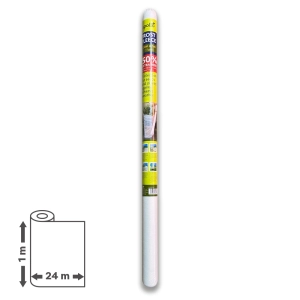
A physical barrier against the sun’s rays can make a big difference to the health of your plants in a heatwave. One of the simplest ways to achieve this is to use horticultural fleece. |
Horticultural fleece can block between 10% and 40% of light/UV, meaning it is effective at preventing leaf scorch on delicate plants like hostas, hydrangeas, or acers because it diffuses the harsh, direct glare of the midday sun. Ideally only use fleece during the day and don’t wrap it tightly around plants. Instead, rig it up like a loose canopy or tent - well above the plants - leaving the sides completely open so the air can breeze through. |
| Pots and Planters | Irrigation
During a heatwave, your pots will lose water more quickly than those in beds and borders. If the soil feels dry 3cms below the surface, your pots need watering. In extreme heat, smaller pots, terracotta containers, and hanging baskets will likely need watering twice a day - once in the early morning (before 8:00 AM) and once in the late evening (after 7:00 PM). Use a pot watering kit for maximum efficiency. See the ‘Why’ column for watering technique. While you normally want free drainage to prevent root rot, during a heatwave, put saucers or shallow trays under every single pot. Drag your prized, heat-sensitive potted plants (like hostas, fuchsias, and acers) into full shade or the North side of the house until the heatwave passes. As you do for borders, put a thick layer of mulch onto the top of the compost in your pots to lock the moisture in and prevent damage to shallow roots. Do not undertake heavy pruning of plants during a heatwave. |
When pot compost dries out completely, it shrinks away from the sides of the pot and becomes hydrophobic (water-repellent). If you pour water in quickly, it will just rush down the inside edges of the pot and pour out the bottom holes without wetting the soil. To manage this, give every pot a light splash of water just to break the surface tension and damp down the top layer. Leave them for ten minutes. Then go back and give them a slow, heavy drench. Now that the compost is ‘primed’, it will absorb the water like a sponge. Water until you see it running freely out of the drainage holes. When you use saucers under pots, the plant will slowly suck that reservoir back up through its roots over the next few hours as the afternoon heat strikes. Plants grow their canopy of leaves to protect themselves. The outer leaves shade the inner branches and stems from the harshest rays of the sun. When you prune away the outer layer during a heatwave, you suddenly expose the tender, sheltered inner wood and foliage to intense, direct sunlight. This causes sunscald. The bark can crack, and the remaining leaves will turn blistered, white or brown, and drop off. Pruning sends a signal to a plant to wake up and start growing new shoots to replace what was lost. Generating new growth requires a massive amount of energy and water. During a heatwave, the plant is already struggling just to stay hydrated. Forcing it to push out tender new leaves when there is no moisture in the soil will exhaust the plant, and the delicate new growth will likely wither and die immediately. Dead flowers, damaged or diseased plant material can be safely pruned. |
Future proofing
While the British weather will always remain notoriously unpredictable, climate change is fundamentally shifting what we consider a ‘typical’ summer.
It is widely agreed that summers like this one in 2026 and even hotter ones - are becoming the new normal for the UK. With that in mind, start prepping your garden now to make sure you can continue to enjoy a healthy lush green oasis during future heatwaves.
Here are the key activities and products to focus on when it comes to future-proofing plants against excessive heat.
| Area of Use | Do This Before the Next Heatwave | Why? |
| Lawns | Nutrition
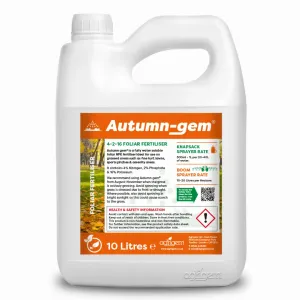
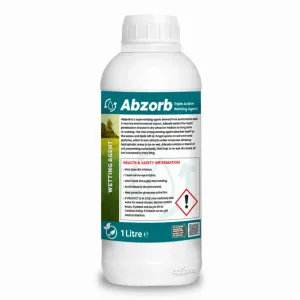
Don’t let the names fool you, once the heat has subsided, apply a lawn fertiliser like Autumn Gem. To heatproof your lawn for next year, use a wetting agent in early spring. Although wetting agents can be used now if your soil is rock-hard and rejecting water, for long-term heatwave resilience, make it a regular monthly routine starting next spring. |
Because Autumn Gem is a liquid (foliar) feed, the grass absorbs it directly through its leaves rather than waiting on dry roots. The ultra-high potassium will instantly start thickening cell walls and regulating water movement within the grass, building an internal shield against drought. Autumn lawn blend has an NPK of 3-12-12. It keeps growth-boosting nitrogen low (just 3%) so you don't force weak top growth, and it features 12% phosphorus for expansive root development to hunt out rich deep soil with 12% potassium (for heat-stress armour). Wetting agents degrade in the soil over time. If you apply Abzorb monthly starting around March or April, you build up a reservoir of |
| Beds and Borders | Nutrition
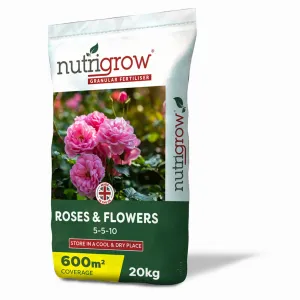
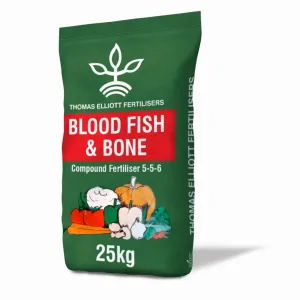
To help beds and borders survive the next heatwave use a fertiliser high in potassium like Rose Fertiliser. Blood Fish and Bone is also beneficial in helping generate a robust soil structure to support your plants through the next heatwave. Wait until early September to use these fertilisers. |
High potassium acts like an internal water-valve regulator for border plants, helping leaves close their pores (stomata) tightly during heat stress to lock in moisture. It contains 2% magnesium, which protects the plant’s ability to photosynthesise even when the sun is blazing and temperatures are sky-high. Because Blood Fish and Bone is an organic powder, it breaks down slowly in the soil over several weeks. It provides a steady, gentle supply of phosphorus (for deeper root exploration to find underground water pockets) and potassium without pushing out the explosive, watery green growth that instantly wilts in a heatwave. |
| Fruit & Veg Plots |
When a heatwave hits, vegetable crops (especially tomatoes, peppers, squash, and beans) enter survival mode. This creates a very narrow window for successful pollination. In extreme heat (typically above 32°C to 35°C), the pollen of many vegetable plants can dry out and become sterile. Plan to include a population of bees next year to mitigate these heat-related issues. |
Bumblebees use a technique called buzz pollination (vibrating the flower at a specific frequency). This high-speed vibration dislodges pollen that is trapped deep inside heat-stressed flowers, maximising the chances of successful fertilisation before the pollen dies in the heat. Having a high, healthy population of bees ensures that your veg plot is thoroughly patrolled during those brief, cooler morning windows, securing fruit sets (like tomatoes and courgettes) when hand-pollination or wind reliance would fail. |
Read more about the impacts of climate on your plants, lawns, turf, and grassland:
Gardening in a Changing Climate
How Weather Affects Weed killer Performance
Hot Weather Affecting Your Plants? Use Mulch!
How to Help Your Lawn Cope in Warmer Weather
Weed Control in Wet Weather
This guide was written in collaboration with Ollie Wright.
Ollie Wright MBPR, FQA
Ollie Wright serves as the Technical Manager at Agrigem, where he oversees the integrity and accuracy of the company’s technical output. A recognised figure within the UK turf-growing sector, Ollie leads Agrigem’s technical response, ensuring that all guidance provided to retail and trade clients remains rigorous, compliant, and at the forefront of industry standards.
With a career built on a foundation of practical experience in farming and landscaping - including the successful management of his own firm - Ollie bridges the gap between theoretical science and field application. His extensive hands-on background is reinforced by industry credentials, including RHS Horticulture, amenity turf and hard surface BASIS, and FACTS qualifications. This unique combination of expertise allows him to deliver high-level strategic advice across diverse sectors regarding plant protection products and complex legislative requirements.
Article Notes:
- Abzorb and Emerald Pro are trademarks of Agrigem Ltd.
- Use plant protection products safely. Always read the label and product information before use. For label and safety information, refer to the manufacturer’s website.
- Only certified users may apply professional plant protection products. Find out more about safe use of pesticides here.