PA1 and PA6
The law states that all users of professional pesticides (those with an allocated MAPP number) must be adequately trained and must follow the information given on the product label.
In the UK, the training required to spray professional pesticides starts with the theory certificate known as PA1.
You will then need another PA certification depending on how you are going to deploy the spray. For example, PA6 covers handheld equipment and PA2 covers boom sprayers.
For most people, PA1 and PA6 are the two most useful qualifications.
PA simply stands for Pesticide Application. The word ‘pesticide’ is a broad term. It covers a range of products that are used to control pests - such as insecticides, weed killers, some animal repellents, rodenticides, biocides, mould and fungi killers, and slug pellets.
Many current holders of PA1 and PA6 certificates are professional users working in the amenity industries. However, a growing number of homeowners or ‘prosumers’ are undertaking the training to give themselves access to a wider range of highly effective products.
The Training
PA1 is the theory and focusses on safety, law and preparation. Assessment is usually a multiple-choice exam.
PA6 is a more practical course that focusses on application and equipment calibration. Assessment for this is usually a one-on-one ‘walk and talk’ where you demonstrate your new skills.
Anyone can do these courses, you just need to be over 16 and have good basic numeracy and literacy skills, and fitness levels to carry a filled sprayer (for example).
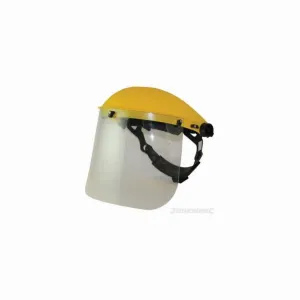
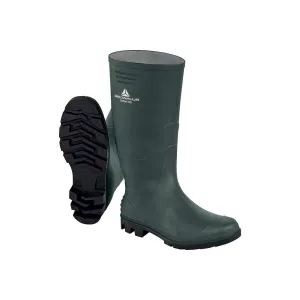
You will usually be required to bring your own PPE including:
- Nitrile or chemical resistant gloves
- Face shield
- Type 5/6 coveralls (chemical resistant)
- Unlined wellington boots
If amateur users do wish to become qualified in the safe use of professional pesticides, there are many providers nationwide able to deliver the relevant training, including organisations like LANTRA, and City and Guilds NPTC.
Costs and Time
At the time of writing, course fees can be anywhere between £350 and £650 for the combined training and assessments (for both PA1 and PA6 courses).
You can do the training for PA1 and PA6 at the same time – often as a two or three-day block, but you must pass PA1 in order to progress to PA6.
Check with your training provider as some assessments might take place the week after your training – for example.
You can check the City and Guilds list of approved centres here.
This blog post was written in consultation with Dave Rowsell
Dave Rowsell
Dave Rowsell is Agrigem’s Account Manager in charge of leisure and holiday park sites. With a strong background in the landscape supplies sector, Dave brings deep experience of grounds maintenance, facilities management and landscape contracting to bear when meeting the needs of leisure and holiday park customers.
Joining Agrigem in 2022, Dave has built a reputation for great service and is a trusted source of advice when it comes to product and process knowledge – ensuring holiday parks have the right products at the right time, together with the right knowledge and skills to manage an effective grounds maintenance programme.
Article Notes:
- Use plant protection products safely. Always read the label and product information before use. For label and safety information, refer to the manufacturer’s website.
- Only certified users may apply professional plant protection products. Find out more about safe use of pesticides here.