IPM is a legal requirement for certain groups including professional users of pesticides. This might include farmers, growers, greenkeepers, foresters, amenity contractors and paddock owners using professional products.
Gardeners are not mandated to follow IPM, though the government does encourage everyone to follow the same IPM principles to help reach national biodiversity targets. Since your garden is a critical corridor that connects larger wild spaces, IPM practices can help in meeting those targets.
IPM asks why the pest or weed is there in the first place, and then what’s the safest way to manage the problem long-term. Integrated pest management processes are designed to protect human health, reduce environmental damage, and prevent resistance.
Using IPM at Home
So, what does IPM mean for users of herbicides and pesticides? Integrated Pest Management is a continuous cycle made up of a hierarchy of controls that include the following eight principles. Let’s dig into what each one means for those mandated to use IPM, and then how you can use the principle in your own plant management practices:
Prevention and Suppression
Farmers must demonstrate that they’ve taken steps like crop rotation and using certified pest-resistant seeds. Under the Sustainable Use of Pesticides Regulations, they can be audited to prove they’re not just relying on chemicals to fix preventable problems.
For gardeners, look at buying pest-resistant varieties of seeds (like ‘blight-resistant’ tomato seeds for example), and don’t plant your cabbages in the same spot for two years in a row to avoid soil ‘fatigue’, and to keep the ecosystem thriving.
Monitoring
Professional growers must keep detailed records of crop inspections. Agronomists are often consulted to count pest populations – for example – before they can justify spraying with a pesticide.
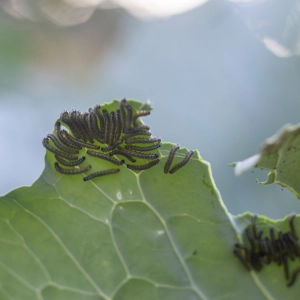
For gardeners, instead of a formal logbook, check under leaves a few times a week and monitor pest populations or signs of disease. If you only see a single aphid or two, there is no need to act.
Decision Making
Farmers will only spray if the cost of the problem is higher than the cost of the chemical treatment. If they spray ‘just in case’, they risk losing funding.
For gardeners, set your own tolerance threshold. Are a few holes in your kale leaves acceptable? Are a few weeds around your trees ok? Only intervene when there is risk to plant life / health if you did not intervene.
Non-chemical Methods
By law, farmers must prioritise biological or mechanical tools over chemicals where they are effective.
For gardeners, reach for ‘physical first’ controls, like hoeing low-rooting weeds, using a blast of water from the hose pipe to knock off aphids, or placing nets over your cabbages – before reaching for chemicals.
Targeted Chemical Choice
Professional users must choose products that have the least side effects on bees and on water. They are restricted to approved products and must use professional-grade tested equipment to ensure zero-drift onto neighbouring land or non-target plants.
Gardeners can make sure they read the label like a pro! Avoid broad-spectrum chemicals for a singular issue, and select products specifically designed for your problem. Always ask questions when you are unsure.
Reduced Herbicide / Pesticide Use
Farmers are legally required to use the minimum effective dose. They must calibrate their machinery to the millilitre to reduce chemical runoff into the water table.
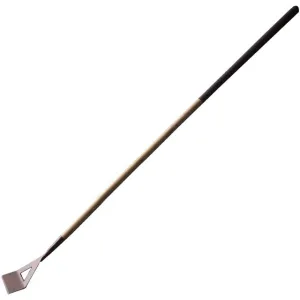
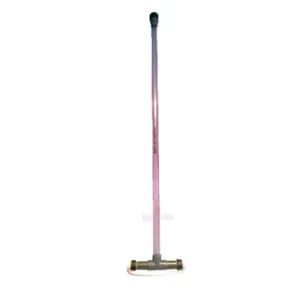
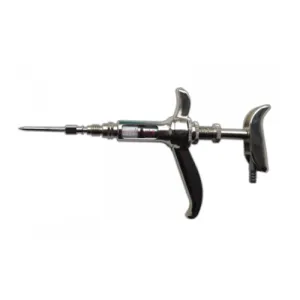
Gardeners can make sure they spot treat, rather than ‘carpet-bomb’ the problem. Use precision application equipment like weed wipers, injectors, and brushes to ensure you keep product use to a minimum.
Anti-Resistance Strategies
To prevent ‘super weeds’, farmers are mandated to rotate chemical ‘modes of action’. This is because using the same chemical year after year can potentially contribute to chemical resistance in pests and weeds.
For the gardener, if you used a specific spray last month and it didn’t work, don’t just apply more. Switch to a different method (like a biological control for example) so that pests don’t become immunised to your tactics.
Evaluation
Farmers must review their IPM plan annually. They look at their harvest yields versus their chemical use and report back to assurance schemes to prove they are improving their environmental footprint year-on-year.
Gardeners could start a ‘garden diary’ – take a photo or make a note of what worked best. This will help you build your own personal best practices manual!
Why Stewardship and Responsible Use Matters
IPM is about good stewardship - the responsible planning and management of resources. For a home gardener, this means being a guardian of your local environment.
The most important skill in IPM is observation. Before taking action, ask yourself:
- Is this actually a pest, or a good bug eating a pest? Not sure? Ask our agronomists.
- Can I tolerate a few holes in my hostas, or is the plant's health truly at risk?
- If action is needed, what is the least invasive, and most targeted method I can try first?
Agrigem believes that by combining high-quality professional products with the principles of IPM, you can achieve a show-garden finish while acting as a responsible steward of the land.
Finally, remember that plants that are well cultivated and nourished tend to be more resilient. Healthy grass will out complete weeds – for example, and plants that are given the correct nutrition at the right time of year will be more robust than those that are left to fend for themselves.
This post was written in collaboration with Ollie Wright.
Ollie Wright MBPR, FQA
Ollie Wright serves as the Technical Manager at Agrigem, where he oversees the integrity and accuracy of the company’s technical output. A recognised figure within the UK turf-growing sector, Ollie leads Agrigem’s technical response, ensuring that all guidance provided to retail and trade clients remains rigorous, compliant, and at the forefront of industry standards.
With a career built on a foundation of practical experience in farming and landscaping - including the successful management of his own firm - Ollie bridges the gap between theoretical science and field application. His extensive hands-on background is reinforced by industry credentials, including RHS Horticulture, amenity turf and hard surface BASIS, and FACTS qualifications. This unique combination of expertise allows him to deliver high-level strategic advice across diverse sectors regarding plant protection products and complex legislative requirements.
Article Notes:
- Use plant protection products safely. Always read the label and product information before use. For label and safety information, refer to the manufacturer’s website.
- Only certified users may apply professional plant protection products. Find out more about safe use of pesticides here.