Nitrogen - the Growth Engine
First, let’s get a quick low down on what nitrogen is and why it is vital for plant growth.
- Nitrogen is the fuel for your plants' engine and a core component of chlorophyll - the green pigment in leaves.
- Plants use chlorophyll to capture sunlight and turn it into energy. Without enough nitrogen, they can't produce enough chlorophyll, leading to chlorosis (yellowing leaves) and stunted growth.
- Nitrogen is essential for creating the proteins that build plant tissues. If you want strong stems and lush grass blades for example, you need nitrogen. It’s even part of the plant’s genetic material, helping it to grow and reproduce correctly.
The Nitrogen Cycle Simplified
Nitrogen is all around us – in fact about 78% of the air we breathe is nitrogen gas. However, most plants can’t ‘breathe’ it in, so they need it to be fixed into the soil as nitrates or ammonium. The nitrogen cycle therefore is the process of converting atmospheric gas into a form that plants can use.
How Nitrogen Becomes Fixed into The Soil
There are three ways nitrogen becomes fixed in the soil:
Lightning
The intense energy of a lightning strike breaks nitrogen molecules (in the air) apart – allowing them to mix with rain and fall to the earth as nitrate (NO2).
Nitrogen-fixing Bacteria
Certain bacteria (like Rhizobium) live in the root nodules of legumes (peas, alfalfa, beans and clover). These bacteria grab nitrogen from air pockets in the soil and turn it into a form that the plant can use. This is why farmers plant legumes – to ‘recharge’ the soil’s nitrogen levels ready for the next crop (like wheat for example, that cannot fix its own nitrogen).
Organic Matter
Manure, compost, fertilisers, and blood meal contain nitrogen previously fixed by other living organisms.
The Transformation
Now we know how nitrogen becomes fixed into the soil, the next stage is for it to change into the right form for plants to use. There are several key processes involved in transforming nitrogen into a usable form:
Mineralisation
This is the umbrella term for the entire process of turning organic nitrogen (locked in proteins, manure and compost) into inorganic nitrogen (minerals like ammonium and nitrate) that your plants can actually absorb.
Hydrolysis
Before bacteria can get to work, the complex molecules in compost need to be cracked open. This is a chemical reaction where water molecules are used to break the bonds of organic compounds. This turns proteins into amino acids, and this is why moisture is critical for composting! Without water, hydrolysis stops, and nitrogen stays locked in a raw organic state.
Ammonification
Once hydrolysis has broken those proteins into amino acids, specific soil bacteria and fungi step in to perform ammonification. They digest the amino acids and produce ammonium (NH4). At this stage, the nitrogen becomes ‘mineralised’ – turning into a chemical salt. All plants will take up ammonium, but they cannot store it efficiently so plants with a high nitrogen requirement may need some nitrate as well.
Nitrification
Nitrification is the process of converting ammonium (from the above step) into nitrite (NO2) and nitrate (NO3). Nitrite can be taken up by plants, but it cannot be stored safely inside the plant’s tissues. Bacteria normally convert this nitrite into nitrate almost instantly. Nitrate is the primary form of nitrogen and is highly mobile, moving easily to the plant’s roots. Plants can store large amounts of nitrate.
Exit Processes
While the above processes focus on getting nitrogen into the plant, there are ways that nitrogen can escape the cycle, and these processes need to be minimised:
Volatilisation
This happens right at the start of the cycle – often before nitrogen touches the soil. It is the chemical conversion of nitrogen (usually in the form of urea) into ammonia gas (NH3). It takes place on the soil surface. If you spread fertiliser on a hot windy day and don’t incorporate it into the soil, the nitrogen will evaporate into the air. So always water in fertiliser to trap the nitrogen into the soil and allow the bacteria to do its work.
Leaching
When it rains or you over water, the water carries the dissolved nitrates deeper into the earth. If they wash down deeper than the roots can reach, they eventually end up in the groundwater or local streams where they cause pollution. As a gardener, you can use controlled release fertilisers or apply smaller amounts of nitrogen more frequently rather than one giant dose.
Denitrification
Denitrification happens in saturated, compacted or swampy soil, where nitrogen simply floats back up into the atmosphere as nitrous oxide (N2O). Always ensure your garden has good drainage and add perlite, sand or compost to improve the soil structure.
When Should You Use Nitrogen?
Now we understand how nitrogen is fixed into the soil, how it transforms into a form plants can use, and how it can be lost, let’s take a final look at timing. Timing is critical because adding nitrogen at the wrong time can actually do more harm than good.
| The Right Time | The Wrong Time |
| Spring and early summer: When grass is actively growing and needs energy to recover from winter. | Late autumn/winter: Too much nitrogen late in the year encourages soft, sappy growth that can be killed by frost or attacked by disease. |
| After mowing: To help the grass blades repair and thicken up. | During drought: Applying nitrogen when the soil is bone-dry can ‘burn’ the plant roots. |
| When leaves turn pale: A clear sign that the nitrogen stores are depleted. | When flowering: High nitrogen can sometimes make a plant grow lots of leaves but forget to produce flowers or fruit. |
Choosing the Right Product for the Job
At Agrigem, we stock a variety of fertilisers tailored to specific needs. Here are two great ways to manage your nitrogen levels:
- Spring Gem is a high-nitrogen spring starter. It provides a rapid green-up and kickstarts growth after the dormant winter months.
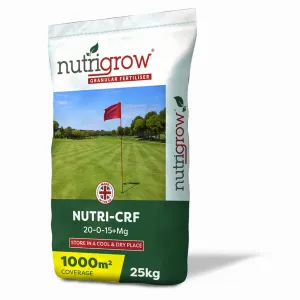
- If you want to avoid a massive growth spurt that requires mowing every two days, look for controlled-release formulas. These break down gradually, feeding your lawn over 10 - 20 weeks.
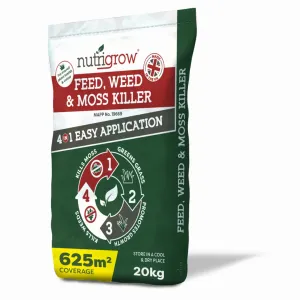
- Many of our Feed, Weed & Moss killers contain nitrogen to help the grass fill in the gaps once the moss has died back.
Summary Tips for Success
- Don’t Overdo It - more isn't always better. Follow the application rates on the bag to avoid scorching your grass.
- Water it in - if it doesn't rain within 48 hours of applying granular fertiliser, give your garden a light watering to help the nitrogen reach the roots.
- Ensure your soil is well drained – look to improve its structure if needed.
- Always water your compost!
This post was written in collaboration with Ollie Wright.
Ollie Wright MBPR, FQA
Ollie Wright serves as the Technical Manager at Agrigem, where he oversees the integrity and accuracy of the company’s technical output. A recognised figure within the UK turf-growing sector, Ollie leads Agrigem’s technical response, ensuring that all guidance provided to retail and trade clients remains rigorous, compliant, and at the forefront of industry standards.
With a career built on a foundation of practical experience in farming and landscaping - including the successful management of his own firm - Ollie bridges the gap between theoretical science and field application. His extensive hands-on background is reinforced by industry credentials, including RHS Horticulture, amenity turf and hard surface BASIS, and FACTS qualifications. This unique combination of expertise allows him to deliver high-level strategic advice across diverse sectors regarding plant protection products and complex legislative requirements.
Article Notes:
- Spring Gem is a trademark of Agrigem Ltd. It contains 14% nitrogen, 3% phosphate, 10% potassium.
- Nutrigrow is a trademark of Agrigem Ltd. Nutri CRF contains 20% nitrogen, 0% phosphorous, 15% potassium, and 2% magnesium.
- Nutrigrow Feed, Weed & Moss Killer contains 10% nitrogen, 2% phosphate, 2% potassium, 8% iron sulphate, and dicamba mecoprop-p.
- Use plant protection products safely. Always read the label and product information before use. For label and safety information, refer to the manufacturer’s website.
- Only certified users may apply professional plant protection products. Find out more about safe use of pesticides here.