Starting too early on waterlogged soil can ruin your turf for the whole season, but waiting too long can lead to an unmanageable jungle. Here’s what you need to know about mowing after winter in 2026.
The Golden Rule: Temperature Over Date
While many gardeners mark mid-March on their calendars, it’s good to remember that the calendar doesn’t grow grass, temperature does!
Grass enters its active growth phase when the soil temperature consistently hits 6°C to 8°C. In 2026, following a very wet winter, you might see growth earlier in the south, while northern regions need to wait until late March.
Assessing Winter Damage
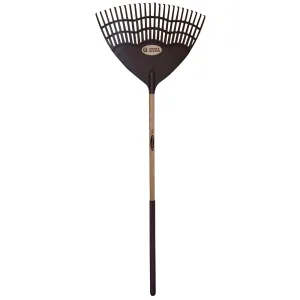
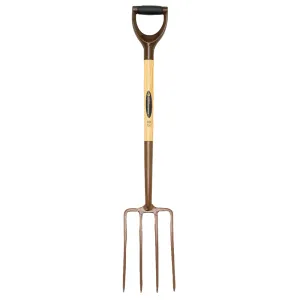
Before you start up the mower, your lawn needs a wake-up call to recover from the rain. So clear any leaves and debris from your lawn by gently raking. Then use a garden fork to spike the ground – this will help improve drainage and allow oxygen to reach grass roots.
Nutrients like nitrogen can be washed away easily by rain. To give your grass the energy it needs to recover, apply a high-quality spring fertiliser. Our 9-7-7 blend provides a balanced boost of nitrogen, phosphate and potassium to kickstart and green-up growth.
Your First Mow
If you’ve cleared, aerated and fed, you’re happy the soil temperatures are high enough, there’s no frost due, your grass is dry, and at least 5-8cms high, you’re good to go!
Take the following steps for successful post-winter mowing:
- Set your mower blades to their highest setting, this is especially important for the first cut of the year. You only want to ‘nip’ the tops off at this stage – never removing more than a third of the blade height.
- Sharpen your blades. Dull blades tear the grass leaving it prone to disease.
- Watch the moss. If your lawn is more moss than grass after a wet winter, consider a treatment like Nutrigrow Feed, Weed and Moss Killer before you mow for a second or third time.
Regional Checklist for 2026
This is a general guideline only and is based on average annual temperatures and weather conditions.
| Region | Estimated First Cut | Top Priority |
| South England and Wales | Early to mid-March | Moss control and aeration |
| Midlands and North England | Mid to late March | Ensuring soil is dry enough to support mower height |
| Scotland and Northern Ireland | Late March to early April | Waiting for the last hard frosts to pass |
The temptation to tidy up the garden after a dismal winter is huge, but patience will pay off. By waiting for the soil to warm and dry, and by giving it a boost with the right targeted nutrition, you’ll be setting the foundation for a lush, healthy lawn that lasts all summer.
Lawn seriously flooded? Don’t despair, take a look at our guide to recovering a flooded lawn here.
This post was written in collaboration with Spencer Haines.
Spencer Haines
Spencer Haines is an experienced turf industry professional and Agrigem’s Technical Account Manager in charge of lawncare. Spencer manages Agrigem’s lawn customers as well as bowls clubs, schools and colleges, and is highly knowledgeable in the technical aspects of creating and maintaining high-performance turf.
Spencer’s experience in professional turf maintenance is coupled with a genuine interest and enjoyment of lawn care that he shares with customers; providing expert advice and guidance built on solid experience. He focuses on working closely with customers to deliver on specific objectives – on time, on budget and to exacting standards.
Article Notes:
- Nutrigrow is a trademark of Agrigem Ltd.
- Use plant protection products safely. Always read the label and product information before use. For label and safety information, refer to the manufacturer’s website.
- Only certified users may apply professional plant protection products. Find out more about safe use of pesticides here.