In the UK, our soil variety is a bit of a lottery - you might have a lawn on heavy London clay, sandy Home Counties soil, or the alkaline soil of the Chalk Downs.
You might have noticed a difference in how back and front lawns perform, or perhaps you have a very large lawn and have noticed different soil types from one end to the other. If so, this blog is for you!
If you don’t know what type of soil you have, try a jar test:
- Put a handful of your soil in a glass jar with water, shake it up, and let it settle for 24 hours. Sand will settle at the bottom, silt in the middle, and clay on top. Loamy soil will separate into three separate sand, clay and silt layers.
If you don’t want to wait 24 hours, here’s a quick guide to identifying the three main soil types found in the UK:
- Clay soil: Clay is sticky and easily rolled into a ball. Heavy clay can be smoothed to a shiny finish.
- Sandy soil: Sandy soil is gritty and will run through your fingers. You won’t be able to roll it into a shape as you can with clay soil.
- Silt: Will not roll into a ball, but has a soapy, silky feel to it and leaves a slightly gritty feeling on your fingers over handling it.
- Loamy soil: A genuine loam is roughly 40% sand, 40% silt and 20% clay. Loamy soil is the most desired for gardeners. It will roll into a ball shape but won’t hold this shape before crumbling away.
Soil Test First
Now you know what type of soil your lawn is growing on, you might want to undertake a soil test to check its nutritional status.
The results of a lawn soil test will show you exactly which nutrients are available in the soil as well as its pH level.
Note that if you have sandy soil, it is likely to be lower in nutrients as they can quickly wash through the soil. Conversely, clay normally holds onto nutrients, so expect to see this reflected in your soil report.
Whilst your specific lawn soil may have additional nutritional needs, here’s the general rule of thumb when it comes to fertilising to soil type.
Loamy Soil
Loamy soil is a balanced mix of sand, silt, and clay. It holds moisture without waterlogging and retains nutrients well.
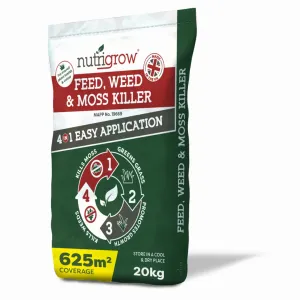
- A standard four-in-one Feed and Weed treatment works well for most loamy lawn soil.
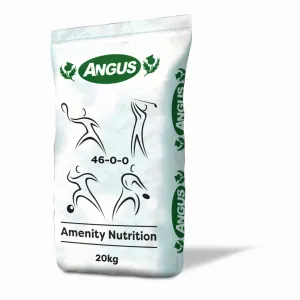
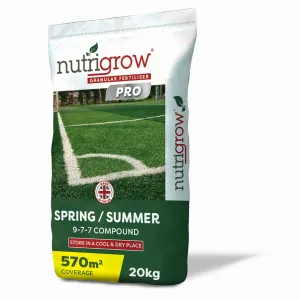
- Add in a high-nitrogen spring/summer feed earlier in the season, followed by a lower nitrogen autumn feed at the end of the season.
Sandy Soil
Sandy soil is generally more common in coastal areas and heathlands (like parts of Surrey or Norfolk). Water drains through it almost instantly so if you apply a standard volume of fertiliser to sandy soil, the rain will wash most of it into the subsoil before the grass can grab it.
- Use a slow-release fertiliser. These break down over 4-6 months rather than a week or two. Use smaller doses, more frequently.
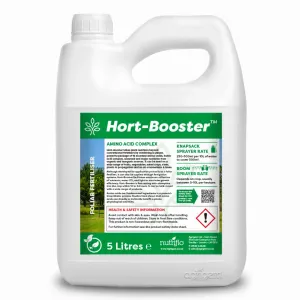
- Supplement with seaweed feeds – these are foliar applied so are less impacted by movement through the soil. They also help the soil hold onto moisture.
Clay Soil
Clay soils are very common in the Midlands and in London. Clay is nutrient-rich but physically difficult – baking hard in summer and turning boggy in winter.
Aeration and soil improvement are key. The nutrients are often already there, but the roots can’t breathe enough to take them up.
Lime can help to flocculate heavy clay soils, but care must be taken to not increase the pH by too much.
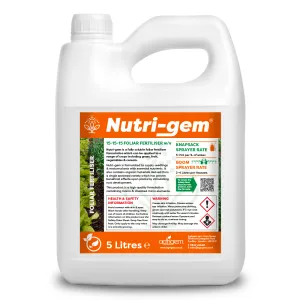
- Liquid fertilisers can be effective on clay soils because they are absorbed through the leaf as well as the soil. Avoid heavy applications during wet spells, as the fertiliser could just sit in puddles and scorch the grass.
- Fertilisers containing Humic Acid help break down the clay structure over time.
This post was written in collaboration with Ollie Wright.
Ollie Wright MBPR, FQA
Ollie Wright serves as the Technical Manager at Agrigem, where he oversees the integrity and accuracy of the company’s technical output. A recognised figure within the UK turf-growing sector, Ollie leads Agrigem’s technical response, ensuring that all guidance provided to retail and trade clients remains rigorous, compliant, and at the forefront of industry standards.
With a career built on a foundation of practical experience in farming and landscaping - including the successful management of his own firm - Ollie bridges the gap between theoretical science and field application. His extensive hands-on background is reinforced by industry credentials, including RHS Horticulture, amenity turf and hard surface BASIS, and FACTS qualifications. This unique combination of expertise allows him to deliver high-level strategic advice across diverse sectors regarding plant protection products and complex legislative requirements.
Article Notes:
- Nutrigrow is a trademark of Agrigem Ltd.
- Nutriflo is a trademark of Agrigem Ltd.
- Emerald Pro is a trademark of Agrigem Ltd.
- Use plant protection products safely. Always read the label and product information before use. For label and safety information, refer to the manufacturer’s website.
- Only certified users may apply professional plant protection products. Find out more about safe use of pesticides here.