Apply a High-Iron Winter Feed

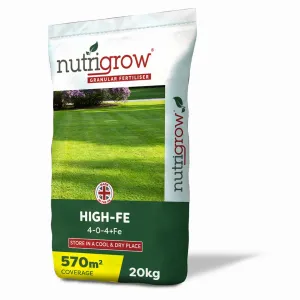
The most effective preventative measure right now is a winter-specific lawn feed high in Ferrous Sulphate (Iron).
- Why: Iron strengthens the grass for late winter and can go some way towards controlling moss. Unlike spring feeds, winter feeds are low in nitrogen, so they won't force weak, frost and disease-susceptible growth.
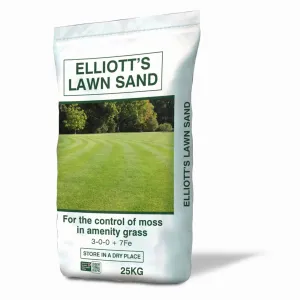
- Action: Apply a product like Nutrigrow High-Fe or Lawn Sand during a mild spell when no heavy rain or frost is forecast for 48 hours.
Spike the Lawn (Aeration)

Moss loves compacted, waterlogged soil. Late January / February can often be very wet – the perfect conditions for moss to thrive.
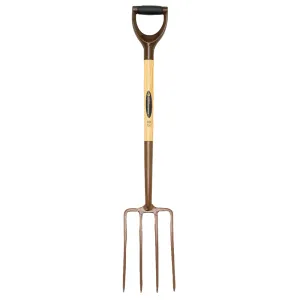
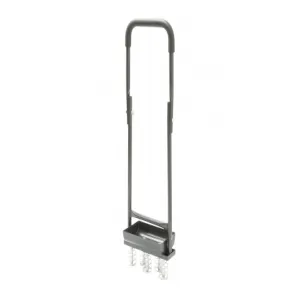
- Action: Use a garden fork or a manual aerator to spike the lawn to a depth of 5 - 10 cm, particularly in areas where water tends to sit.
- Benefit: This improves drainage and gets oxygen to the grass roots, making the environment much less hospitable for moss.
Note of caution: be careful not to make the situation worse by trampling and compacting waterlogged areas more than they are already.
Raise Your Mower Blades
 If the weather is mild and your grass is actually growing (common in previous UK winters), you might be tempted to mow.
- Action: If you must mow, set the blades to their highest setting.
- Warning: Scalping the lawn in February creates bare patches that moss will immediately colonise. Topping the grass just enough to tidy it is fine but never cut more than the top 1/3 of the blade.
Remove Debris and Improve Light

Moss thrives in the shade and damp created by winter debris.
- Action: Lightly rake (or use a leaf blower which is even kinder to the dormant grass) any remaining dead leaves, twigs, or worm casts (small mounds of soil left by worms).
- Pro Tip: If you have overhanging evergreen branches shading the lawn, February is a good time to prune them back to let more winter sun reach the grass.
Keep Off During Frosts

Walking on a frozen lawn in late January / February can snap the grass blades and damage the crown of the plant.
- Result: This creates footprint-shaped dead spots by March - prime spaces for moss to move in. Try to stay off the lawn whenever there is a visible frost.
This is not the time of year to use a combined Feed, Weed and Moss Killer product as:
- it has too high a nitrogen content and
- it will be a waste of the weed killer aspect of it as the weeds are not growing well at this time of year and therefore will not take it in very well.
Wait until April/May time when everything is growing well.
***
This post was written in collaboration with Ollie Wright.
Ollie Wright MBPR, FQA
Ollie Wright serves as the Technical Manager at Agrigem, where he oversees the integrity and accuracy of the company’s technical output. A recognised figure within the UK turf-growing sector, Ollie leads Agrigem’s technical response, ensuring that all guidance provided to retail and trade clients remains rigorous, compliant, and at the forefront of industry standards.
With a career built on a foundation of practical experience in farming and landscaping - including the successful management of his own firm - Ollie bridges the gap between theoretical science and field application. His extensive hands-on background is reinforced by industry credentials, including RHS Horticulture, amenity turf and hard surface BASIS, and FACTS qualifications. This unique combination of expertise allows him to deliver high-level strategic advice across diverse sectors regarding plant protection products and complex legislative requirements.
Article Notes:
- Nutrigrow High-Fe contains 4% nitrogen, 0% phosphate, 4% potassium, and 9% iron. Nutrigrow is a trademark of Agrigem Ltd.
- Lawn Sand contains 3% nitrogen, 0% phosphate, 0% potassium, and 7% iron.
- Use plant protection products safely. Always read the label and product information before use. For label and safety information, refer to the manufacturer’s website.
- Only certified users may apply professional plant protection products. Find out more about safe use of pesticides here.