Impatient for a lush green lawn this spring? We get it. After the dull days of winter, waterlogged lawns and sub-zero temperatures, we’re as keen as you are to get our lawn up to scratch and make the most of it - as quickly as possible.
After what feels like an eternity of damp, it’s good to know that you can get a lush, green lawn in record time this spring, whether you’re starting fresh or giving your existing turf a boost.
The secret? The right seed, the right preparation, and a little bit of science!
Perennial Ryegrass – The Speed Demon
Forget slow and steady – when it comes to rapid results, perennial ryegrass is king. This variety is renowned for its incredibly fast germination (often just 5-10 days under ideal conditions) and vigorous growth.
At Agrigem, we recommend these mixes for their speed:
Premier Sports Pitch Grass Seed
This is our fastest blend, packed with high-performance cultivars like Esquire, Passion, and Platinum perennial ryegrass. It’s designed for rapid establishment and recovery, meaning your home lawn will green up in a flash and stand up to heavy use.
Premier Landscape & Lawn Grass Seed
A brilliant all-rounder with a high percentage of perennial ryegrass for quick establishment, blended with strong creeping red fescue for durability and density.
Why the blend of ryegrasses? Cultivars like Esquire offer early vigour and a great colour, Passion brings disease resistance (a must in damp UK springs), and Platinum ensures a pristine, clean cut every time you mow. Together, they create a fast, robust, and beautiful lawn.
The Golden Rule - Soil Temperature
You can have the fastest seed in the world, but if the soil is too cold, it's like asking a car to start in sub-zero temperatures without antifreeze. For rapid germination (5-10 days), your soil needs to be consistently 8°C-10°C (46-50°F) or above.
Don't just go by the air temperature, use a soil thermometer if you have one or aim for late March to May (in most of the UK), once the worst of the cold snaps have passed. Planting too early in very cold, wet soil can lead to seed rotting.
Alternatively, consult a website like Soil Temperature and Moisture to identify the likely soil temperatures in your area.
Fuel for Growth - Pre-Seeding Fertiliser
Think of your new grass seedlings as tiny athletes – they need proper nutrition to perform their best.
A dedicated pre-seeding fertiliser provides the essential nutrients, especially phosphorus, which is crucial for strong root development. Strong roots mean faster establishment and a more resilient lawn.
We recommend:
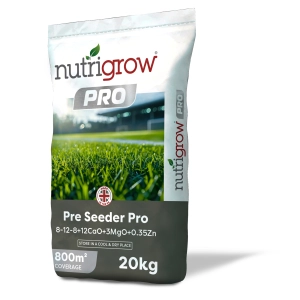
Nutrigrow Pre-Seeder Pro (8-12-8 + Trace Elements)
Our top-tier choice for truly professional results. Its high phosphorus content, plus seaweed and zinc, gives those speedy ryegrasses the ultimate head start. Zinc is vital for regulating auxin which is responsible for cell elongation and growth. This means it will boost root production early in the plant’s life cycle.
An excellent, cost-effective option for robust growth, formulated to avoid scorching delicate new shoots.
Prep For Success
Apply your chosen fertiliser to the prepared soil 3-5 days before you sow your seeds. This allows the nutrients to begin dissolving into the soil, creating a nutrient-rich zone exactly where your new roots will emerge. Lightly rake it in and water well.
If you’re starting a lawn from scratch:
- Remove all weeds, stones, and debris.
- Dig over the soil to a depth of 10-15cm, breaking up any large clumps. Rake thoroughly to create a fine, level seedbed. This is crucial for good seed-to-soil contact.
- Gently firm the soil by treading over it or using a roller. You want it firm enough that you don’t sink when you walk on it.
- Apply fertiliser as above, 3-5 days before sowing.
- If you’re overseeding an existing lawn:
- Cut your existing grass shorter than usual.
- Aggressively rake or scarify the lawn to remove moss, thatch, and dead grass. This creates bare soil patches for the new seeds to nestle into.
- Spike the lawn with a fork or aerator to improve air circulation and allow nutrients and water to reach the roots.
- Apply your pre-seeding fertiliser to the entire area.
Sowing and Watering
Use a spreader for best results, dividing your seed into two halves and sowing in perpendicular directions to ensure even coverage.
Gently rake the seeds into the top 1cm of soil. This protects them from birds and helps with moisture retention.
Keep it consistently damp. This is perhaps the most critical factor for fast germination. Use a fine spray to water the area regularly, especially during dry spells. Don’t let the top 1cm of soil dry out until your seedlings are well established (around 3-4 weeks). If the seed dries out after it has started to germinate, it will die.
This post was written in collaboration with Spencer Haines.
Spencer Haines
Spencer Haines is an experienced turf industry professional and Agrigem’s Technical Account Manager in charge of lawncare. Spencer manages Agrigem’s lawn customers as well as bowls clubs, schools and colleges, and is highly knowledgeable in the technical aspects of creating and maintaining high-performance turf.
Spencer’s experience in professional turf maintenance is coupled with a genuine interest and enjoyment of lawn care that he shares with customers; providing expert advice and guidance built on solid experience. He focuses on working closely with customers to deliver on specific objectives – on time, on budget and to exacting standards.
Article Notes:
- Nutrigrow is a trademark of Agrigem Ltd.
- Use plant protection products safely. Always read the label and product information before use. For label and safety information, refer to the manufacturer’s website.
- Only certified users may apply professional plant protection products. Find out more about safe use of pesticides here.