Thistles are tough weeds, so treating them requires a considered approach as they have formidable survival systems - robust roots, thousands of seeds, and thick waxy leaves.
If you have a small lawn and / or just a few thistles causing an issue, try removing them manually first.
Tips for Manual Removal
- You will need to ensure you remove the whole root system as most thistles will regrow from even a small root fragment left behind.
- If you can’t remove the whole root system, try cutting it down to the ground as soon as you see it growing. You will need to keep doing this – usually every few weeks as it regrows. This is a longer game, but eventually if it cannot photosynthesise, it will die.
- Don’t let thistles flower – a single thistle can produce thousands of seeds that travel on the wind very easily.
- The best time to try and manually remove thistles is after rain when the ground will be softer and the chances of removing the roots are better.
Manually removing thistles is likely to leave a hole behind in your lawn. Creeping thistles can also take up a bit of lateral space in your lawn, turning the grass yellow beneath its leaves.
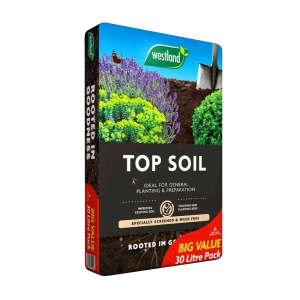
If you do find yourself dealing with bare patches after removing thistles, remember to fill the hole with topsoil and reseed.
Chemical Removal
If you are concerned about root removal, or you have a lot of thistles to treat and don’t want to fill multiple holes, consider using a selective herbicide that won’t damage your grass.
At Agrigem we advocate responsible, targeted use of chemicals. This means:
- Ensuring that the person applying the product is sufficiently trained in the safe use of pesticides.
- Selecting the right product that kills first time, so that you do not need repeat applications.
- Following the label dilution / mixing rates precisely to avoid waste and overuse.
- Following the label application instructions carefully to ensure maximum impact to the target plant and minimal impact on non-target plants.
- Using the right application equipment for the product and the project at hand.
- Being aware of the weather and how different conditions affect application.
Our Recommendation
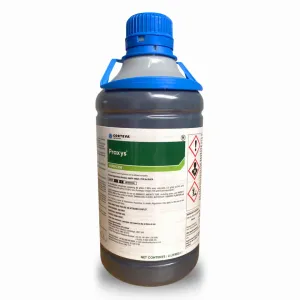
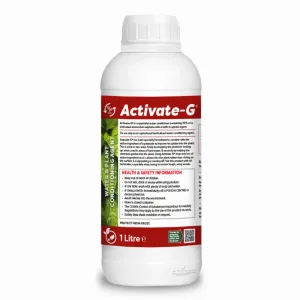
To control thistles in lawns, we recommend Praxys together with Activate G. Praxys is a high performing selective herbicide that will kill the thistle right down to the roots without harming your grass.
It is an environmentally sensitive product with an extremely low dose rate meaning a low environmental load of active ingredients. It is also rain-fast in one hour giving you flexibility to use in changeable weather.
Activate G is an herbicide enhancer formulated to further improve the efficiency and effectiveness of herbicides like Praxys. It reduces herbicide loss; ensuring it is all drawn down into the plant, speeding up killing action.
Used correctly, these two products will kill lawn thistles efficiently with no impact on non-target species.
This post was written in collaboration with Ollie Wright.
Ollie Wright MBPR, FQA
Ollie Wright serves as the Technical Manager at Agrigem, where he oversees the integrity and accuracy of the company’s technical output. A recognised figure within the UK turf-growing sector, Ollie leads Agrigem’s technical response, ensuring that all guidance provided to retail and trade clients remains rigorous, compliant, and at the forefront of industry standards.
With a career built on a foundation of practical experience in farming and landscaping - including the successful management of his own firm - Ollie bridges the gap between theoretical science and field application. His extensive hands-on background is reinforced by industry credentials, including RHS Horticulture, amenity turf and hard surface BASIS, and FACTS qualifications. This unique combination of expertise allows him to deliver high-level strategic advice across diverse sectors regarding plant protection products and complex legislative requirements.
Article Notes:
- Praxys is a trademark of Corteva Agriscience UK Ltd. It contains 144g/L fluroxypyr, 80g/L clopyralid and 2.5g/L florasulam.
- Activate G is a trademark of Agrigem Ltd. It contains 50% w/w activated ammonium sulphate.
- Use plant protection products safely. Always read the label and product information before use. For label and safety information, refer to the manufacturer’s website.
- Only certified users may apply professional plant protection products. Find out more about safe use of pesticides here.