Identifying Ground Elder
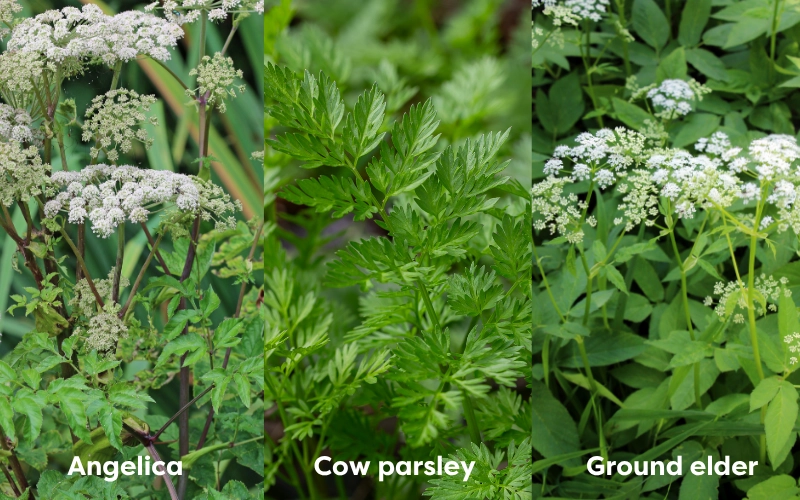
Ground elder is often confused with other members of the carrot family (Apiaceae), such as cow parsley and angelica, but it has several distinct features.
The leaves are divided into groups of three (tri-lobed) and have a distinctive triangular cross-section on the leaf stalk with a deep groove running along one side.
In late spring and summer, it produces flat-topped umbels of tiny white flowers that resemble lace.
Distinguishing Look-alikes:
Cow Parsley: Has much more finely divided, fern-like leaves compared to the broader, oval leaflets of ground elder and is much taller.
Angelica: Grows significantly taller (up to 2m) and has much thicker, often purple-tinted stems.
Elder Tree: While the leaves look similar, the tree is woody and tall, whereas ground elder is a low-growing herbaceous plant.
How it Spreads
Ground elder spreads primarily through rhizomes - fleshy, cream-coloured underground stems that form a dense, matted network.
Even a tiny fragment of root left in the soil can regenerate into a completely new plant, which is why simply cutting it down or pulling the leaves off usually fails to stop it.
While it does produce seeds, its underground expansion is its primary and most aggressive method of spreading.
Controlling Ground Elder
Eradicating ground elder requires patience and a zero-tolerance approach to any green growth.
Manual Removal
If the growth is in a small or sensitive area, meticulous digging is required. Use a border fork or a hori-hori knife to gently lift the soil and trace the rhizomes, ensuring you remove every white strand.
Avoid using a spade, as this can chop the roots into smaller pieces, effectively ‘planting’ a dozen new weeds for everyone you try to remove.
If you have a large, empty area, you can starve the weed by covering the soil with a heavy-duty weed membrane or thick cardboard topped with bark mulch. This process takes time - at least two growing seasons - to completely exhaust the energy stored in the root system.
Chemical Removal
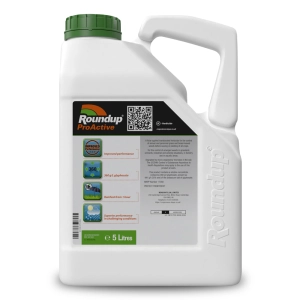
For extensive patches where digging is impractical, a systemic herbicide containing glyphosate such as Roundup Pro Active 360 is the most effective tool.
Glyphosate is absorbed by the leaves and travels down into the rhizomes to kill the plant right down to the roots.
Apply when the plant is in full leaf and actively growing (late spring is ideal).
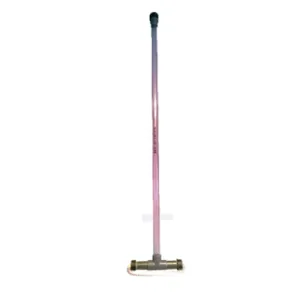
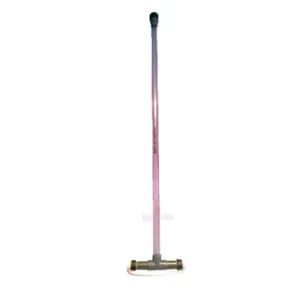
Use a weed wiper to avoid contact with nearby garden plants, as glyphosate is a total herbicide. Take a look at our guide to avoiding spray drift for more information on controlled application.
Persistent patches may require a second application 3-4 weeks later if regrowth appears.
Responsible Disposal
Never put ground elder roots on your home compost heap. Most domestic heaps do not get hot enough to kill the rhizomes, and you will simply spread the weed when you next mulch your garden.
Instead, rot them down in bags, or take them to your local council’s green waste facility where they are processed at high temperatures.
Always use plant protection products safely and read the label and product information before use. For label and safety information, refer to the manufacturer’s website. Remember, only certified users may apply professional plant protection products. Find out more about safe use of pesticides here.