At Agrigem, we believe that a healthy garden or landscape should be sustainable and strike a balance between attractiveness and function - while being able to support a vibrant wildlife habitat.
We understand that weeds aren’t just aesthetically frustrating, they can seriously impact lawns, borders, crops, pasture, and native biodiversity. Achieving control requires a thoughtful targeted approach – not blanket elimination.
Herbicides must always be used carefully, with skill, and in accordance with strict instructions set out on the product label. Good stewardship and responsible application are absolutely key to ensure we maintain thriving habitats that support wildlife.
It is our mission at Agrigem to ensure that people are educated on the details around professional use of herbicides. Our starting point is always to draw attention to safe use of pesticides, so if this is your first step into using herbicides for weed control, please refer to this blog post first.
Manual Removal First
For small areas, always try and pull the weeds out manually before considering herbicides. As a control method, the non-chemical manual approach obviously poses no risk to wildlife, so should always be your first choice.
Hand-pulling, hoeing, and mulch all have a role to play in keeping weeds under control, especially for annual weeds in contained areas.
For perennial weeds, or invasive weeds, or those that present a serious threat to the environment (including poisonous weeds), then a chemical solution might be considered.
Targeted Application
One of the highest risks to insects, pollinators, and aquatic life is spray drift and residual contact on non-target plants.
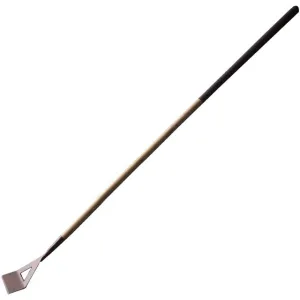
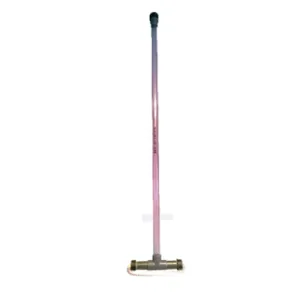
For this reason, where appropriate, choose a weed wiper to apply your herbicide. Weed wipers are highly targeted and have no risk of spray drift, drastically reducing environmental exposure.
Weed wipers are handheld devices that deliver the herbicide only to the foliage of the target weeds you touch with the wiper. This also makes them a cost-effective method of herbicide application as there is no waste.
In addition to their targeting benefits, weed wipers help preserve the general low growing habitat that may shelter flowering plants that bees and other beneficial insects rely on.
Best Practice for Weed Wiping
Use it Sparingly: Use a weed wiper for tough, perennial, or invasive weeds that hand-pulling is failing to control (e.g., Japanese knotweed, thistles, docks).
Target Height: Only wipe weeds that are significantly taller than the desired vegetation (and any flowering plants you want to preserve).
Wipe, Don't Drench: Ensure the wick/sponge is saturated enough to coat the weed but not dripping excess chemical onto the ground.
Avoid Flowering Plants: Where possible, avoid wiping the foliage of any weed that is currently in full bloom, as it is actively being visited by pollinators.
Timing
Apply herbicides during calm weather and avoid times when pollinators are most active. This is usually during the middle of the day in sunny weather, so aim for late evening or very early in the morning.
Avoid applying herbicide when weeds are dry and wilted or stressed by drought. Stressed plants shut down reducing their ability to absorb and move the herbicide, increasing the amount of herbicide residues in the environment.
Apply herbicides when they will be most effective on the weed, meaning they will be absorbed quickly and require the least amount of product to work effectively. This might mean avoiding late spring and summer because this is the peak bloom and foraging season for almost all pollinators.
Recognising the Indirect Impacts
While the targeted application approach described above drastically reduces direct toxicity, it's also crucial to remember the indirect harm: habitat and food loss.
When you are targeting weeds, remember: ‘spot-treat the problem, preserve the ecosystem’. Weeds like dandelions and clover are vital early-season food sources. When using our products, we encourage customers to leave designated ‘wild areas’ untouched to ensure a continuous food supply for wildlife throughout the season.
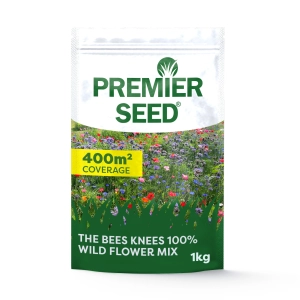
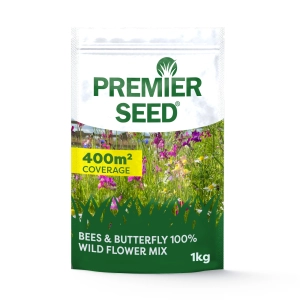
You might consider introducing a wildflower meadow to introduce a fresh supply of food for your local wildlife.
Wildflower meadows and wildflower banks are growing in popularity. A collective effort in the last decade from homeowners, conservators, councils, and charities has seen the introduction of over 12,000 acres of wildflower meadow across the UK.
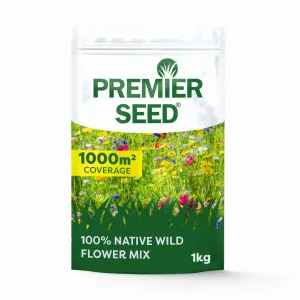
Native wildflower cultivars are in high demand and the market for products appropriate for smaller gardens is booming. Take a look at some of our wildflower seed products to see what might work in your garden.
Our Commitment to Education
Using the right product, in the right way, at the right time is the definition of responsible control. Our commitment is to provide you not just with the most effective herbicides, but with the best advice to ensure a successful outcome that prioritises both your landscape goals and the health of the wildlife sharing it.
It is worth noting that glyphosate, the herbicide that is most widely used in the UK and the focus of historic criticism, works on a specific metabolic pathway within the plant and blocks the production of the enzyme EPSP synthase. This pathway is known as the shikimate metabolic pathway, and this does not exist in mammals and insects and so by default, glyphosate being used in the correct manner cannot directly harm wildlife.
If you have any questions about specific application methods or product safety generally, our team of experts is here to guide you.