Laminitis is often linked with high levels of sugars and starch in the grass. The impacts of your horses consuming too much high-sugar grass can be very serious and can include permanent damage to hooves.
The Laminitis Problem
The inside of your horse's hoof is lined with a strong, Velcro-like material called the laminae. This is what firmly attaches the hoof wall to the pedal bone (the main bone inside the hoof).
When a horse gets laminitis, this tissue becomes inflamed and damaged, causing weakness and tearing. When this connection fails, the weight of the horse combined with tension from the tendons can cause the pedal bone to rotate or sink inside the hoof.
This displacement is incredibly painful and, in severe cases, can lead to the pedal bone piercing the sole of the foot. Euthanasia may be required to end the horse’s suffering.
There are several underlying factors which may increase a horse’s risk of developing laminitis, but reducing the amount of sugar / starch in their grazing diet is an important factor in managing that risk.
Don’t Avoid Fertilisers
It is sometimes thought that high nitrogen fertilisers are the cause of laminitis, because nitrogen can lead to a flush of sugar-heavy grass.
However, Nitrogen is not the direct cause of laminitis; rather, the primary culprits are non-structural carbohydrates (NSCs) - like sugars and fructans. Both can occur as a result of environmental stresses, overgrazing, and because the species of grass present in the paddock is naturally bred to be high in sugar.
So rather than avoiding fertilisers completely, it is important to understand the role that they play in maintaining horse health, by:
- Replenishing essential soil nutrients that are depleted by grazing and hay production.
- Producing a lush, high-quality forage crop.
- Promoting stronger root systems and faster regrowth, which in turn prevents soil erosion and stops weeds from taking over thin patches of grass.
Fertilisers are an essential product for paddock managers looking to create healthy pasture for grazing or hay production. Selecting the right one to apply at the right time is the key to avoiding the development of laminitis in horses.
Start With The Soil
Now we know what causes laminitis, we can select a fertiliser that will generate healthy lush grass that is balanced, resilient, and low in sugar. This selection process starts with a soil test.
Whatever fertilising programme you’re undertaking, a soil test will identify which nutrients are lacking, its pH levels, and how to remediate for any deficiencies.
Conducting a soil test rather than applying a general fertiliser means you are only applying the specific nutrients your fields need rather than using an all-purpose fertiliser that might have too much nitrogen in it.
Choose Low Nitrogen Fertiliser
Nitrogen is not generally included in soil tests. This is because its availability in the soil in dynamic and constantly changing. The amount available at the time of sampling is just a snapshot and may not accurately reflect the amount available to the plant in the following weeks – for example.
This means that care should be taken when selecting a fertiliser for your paddocks. Many paddock-specific products contain little or no nitrogen compared with agricultural fertilisers that are formulated to promote rapid lush growth.
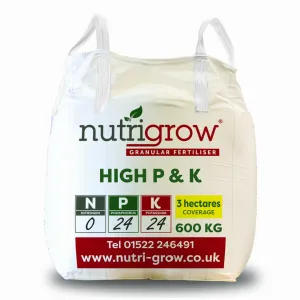
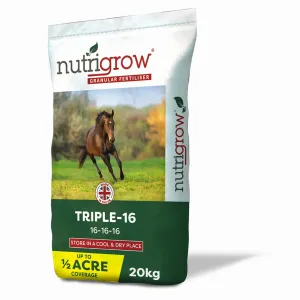
A balanced fertiliser that contains equal volumes of macronutrients, or a reduced amount of nitrogen should be your aim. Other more specialist fertilisers offer additional nutrients such as sulphur, calcium and magnesium, all of which provide additional benefits in terms of plant and animal health.
**Please check back in February 2026 for our new range of specialist paddock fertilsiers**
The application rate will depend on how many times a year you apply the product so do get in touch with our technical team for guidance on this and product type - if you are unsure.
When to Apply
Remember that laminitis can occur at any time of year – it isn’t just a spring phenomenon. Fertilisers are usually applied in spring and autumn, so you do not need to wait for spring to start your fertilising regime. However, restricting access during high-risk times for sugar content is wise. These periods might include:
• Spring and autumn when growth is in a rapid phase.
• Sunny days that are forecast to be followed by cold or frosty nights.
• During periods after drought when new growth starts.
Make sure you rest your paddocks after applying fertilising. The time period will vary depending on the specific product you are using, so always consult the label.
Maintain grass height to around 4-8 inches to help avoid over-grazing. The base of the plant stores higher levels of sugar so try and keep grazing to above 3-4 inches.
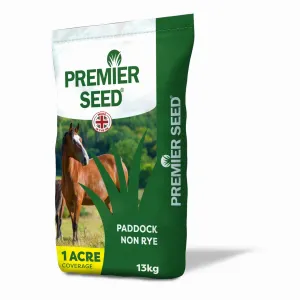
Finally, if you are seeding or overseeding, remember to choose a cultivar with little or no ryegrass. A non-ryegrass paddock will take longer to establish and will not look as lush as one sown with rye seeds, but it will be a much safer, and lower sugar environment for your horses.
This post was written in collaboration with Millie Wilkinson.
Millie Wilkinson
Millie Wilkinson is Agrigem's Account Manager in charge of equine customers. She has more than 12 years' experience in the equine sector including running her own yard, competing for the England team in the Pony Club, working as a showjumping competition groom, and latterly a showjumping coach.
Millie has ridden, owned, and sold horses her whole life. She is an established name online where she is an active voice in the latest conversations around horse health and the world of buying and selling elite horses. Millie is a keen proponent of good grazing nutrition and the importance of high-quality paddock maintenance in supporting the health of all horses.
Article Notes:
- Nutrigrow is a trademark of Agrigem Ltd.
- Use plant protection products safely. Always read the label and product information before use. For label and safety information, refer to the manufacturer’s website.
- Only certified users may apply professional plant protection products. Find out more about safe use of pesticides here.