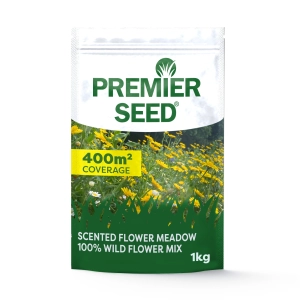
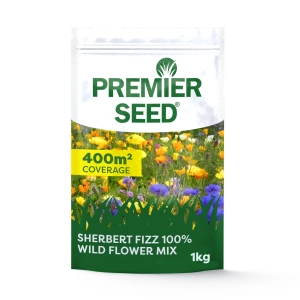
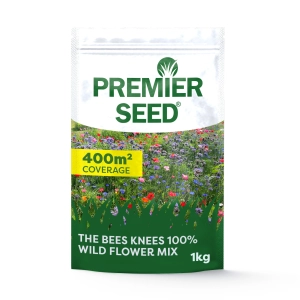
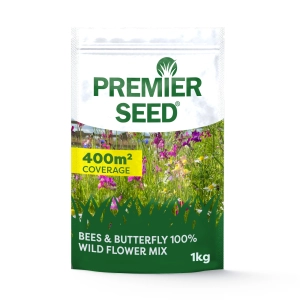
Wildflowers don’t compete well against fast-growing grasses and weeds that prefer rich soil. So, the most important thing to bear in mind is that the soil should be low in nutrients and weed-free.
Preparing the Soil
- Choose your site carefully, ideally select an area that receives a good amount of sunlight.
- Remove any existing grass or weeds by digging up the turf. Although you can scatter wildflower seeds onto existing turf, this won’t be as effective as starting your meadow from scratch.
- If necessary, remove topsoil. If your soil is very rich (e.g., you've added manure or compost in the past), consider removing the top 3-6 inches (8-15 cm) of fertile topsoil to expose the less fertile subsoil.
- Deal with deep-rooted perennial weeds like docks, nettles, and couch grass with a non-residual systemic glyphosate-containing weedkiller like Roundup Pro Active. Do this 4-6 weeks before sowing.
- Once the area is clear, rake or lightly fork the top 2-3 cm of soil. You are aiming for a fine, crumbly texture (a 'tilth') which allows the seeds good contact with the soil. Do not dig deeply as this can bring dormant weed seeds to the surface.
- Gently tread the soil down with your boots or use a roller to create a firm, even surface.
- Do not add fertiliser or compost - the golden rule!
Sowing for Success
Choosing the right time and method for sowing will greatly increase your success. The two best times to sow wildflower seeds in the UK are:
- Late summer / early autumn (August - September): This is often the ideal time as the soil is still warm, and moisture levels are typically good. It mimics nature's own seeding process.
- Early to mid-spring (March - May): A good alternative, particularly if you have heavy clay soil which can be wet and cold in winter, risking the seed rotting.
How to Sow:
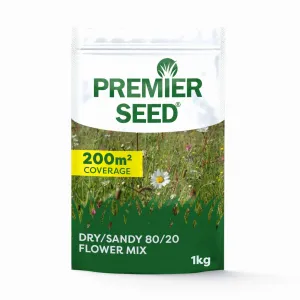
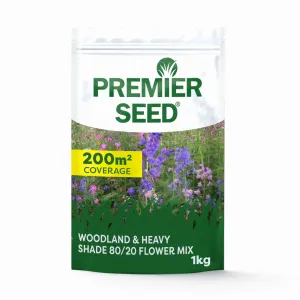
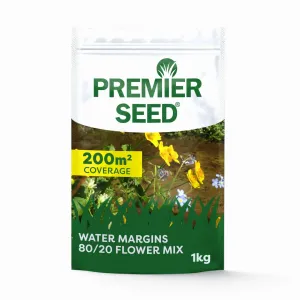
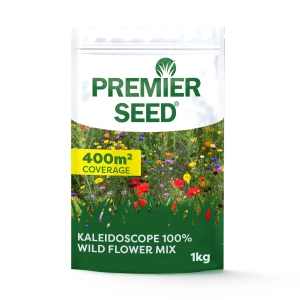
- Choose your seed mix - select a mix that is appropriate for your soil type (e.g., clay / heavy soils, or sandy). For the best wildlife value, choose UK native seeds.
- Calculate the rate - pure wildflower mixes are typically sown at a low rate (e.g., 1.5 - 3 g per square metre).
- Mix with a carrier - wildflower seeds are tiny. To help you spread them evenly, mix the seed with a carrier like dry, silver sand. This makes it easier to see where you have sown.
- Broadcast the seed - scatter the seeds evenly across the prepared area. A common technique is to sow half the seed walking lengthways and the other half walking widthways.
- Rake and firm - lightly rake the seed in, then walk over the area again or use a roller to press the seeds firmly into the soil. Good seed-to-soil contact is vital for germination.
- Keep the area well-watered until the seeds have germinated and the seedlings are established, especially if there is a dry spell.
Maintenance - Year One and Beyond
The maintenance routine is what differentiates a meadow from a lawn. The goal is to keep soil fertility low and manage aggressive growth.
Year One (Establishment)
- For a perennial meadow, you need to mow regularly in the first year to control vigorous weeds and grasses and encourage the wildflowers to put down strong roots.
- Cut to a height of about 5-7 cm whenever the foliage reaches 10-20 cm. You can do this between one and four times.
- Always remove the cuttings (this is called 'haying') to further reduce the soil's fertility. If left, the clippings will rot and release nutrients back into the soil, feeding the grass.
- Hand-weed any particularly aggressive perennial weeds like docks or thistles before they can set seed.
Established Meadow (Year Two Onwards)
- The main management cut should be done once a year in late summer/early autumn (late July to September), after most of the flowers have finished blooming and dropped their seed.
- Cut the meadow down to around 4-10 cm in height. Leave the cuttings on the ground for a few days to allow any ripe seeds to fall back onto the soil, then rake up and remove all the cuttings to reduce soil fertility.
- An optional second cut can be done in early autumn or late winter to tidy up the area. Again, remove the clippings.
- If grasses are very dominant, a light cut in early spring (before the end of April) can help weaken them, but this should be avoided if possible as it can remove early flowering species like cowslips.
Browse our wildflower range to see which might be right for your garden.
This post was written in collaboration with Dave Rowsell
Dave Rowsell
Dave Rowsell is Agrigem’s Account Manager in charge of leisure and holiday park sites. With a strong background in the landscape supplies sector, Dave brings deep experience of grounds maintenance, facilities management and landscape contracting to bear when meeting the needs of leisure and holiday park customers.
Joining Agrigem in 2022, Dave has built a reputation for great service and is a trusted source of advice when it comes to product and process knowledge – ensuring holiday parks have the right products at the right time, together with the right knowledge and skills to manage an effective grounds maintenance programme.
Article Notes:
- Nutrigrow is a trademark of Agrigem Ltd.
- Use plant protection products safely. Always read the label and product information before use. For label and safety information, refer to the manufacturer’s website.
- Only certified users may apply professional plant protection products. Find out more about safe use of pesticides here.