Identifying Groundsel
- Leaves are dark green, deeply lobed, and toothed. Lower leaves feature stalks, while the upper leaves are unstalked, clasping the stem directly.
- It produces clusters of small, bright yellow flower heads that look like narrow tubes or closed buds rather than open daisies.
- Once flowering is complete, the heads transform into white, fluffy globes of seeds (resembling a miniature dandelion) which are easily dispersed by the wind.
- The stems are fleshy, often branching, and can grow between 15cm and 60cm (2ft) in height.
- Unlike many weeds, groundsel can germinate, flower, and set seed at almost any time of the year, including mild winters.
The Problem with Groundsel
Groundsel is efficient at colonising bare soil and disturbed ground. Its rapid reproduction and seed volume make it a major nuisance.
A single plant can go from seed, to setting its own seeds in as little as 5–6 weeks, allowing for several generations in a single growing season.
Because the seeds are tufted and lightweight, they can travel long distances on a breeze, quickly infesting previously clean borders.
Groundsel often carries rust fungus (visible as orange spots on the leaves), which can jump from the weed to prized garden plants.
The plant contains pyrrolizidine alkaloids, which are toxic to humans and highly dangerous to livestock, particularly horses and cattle.
Controlling Groundsel
Because groundsel can set seed so quickly, the key to control is preventing the yellow ‘tubes’ from turning into white ‘fluff’.
Manual Removal
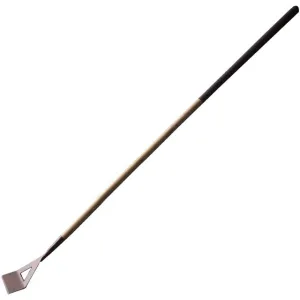
- Regularly hoeing seedlings is effective. Do this on a dry, sunny day so the severed seedlings wither and die on the surface.
- Established plants have shallow roots and are easy to pull by hand.
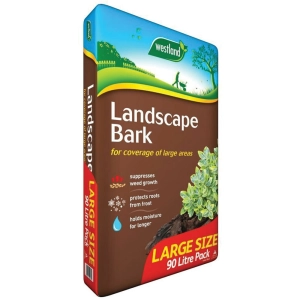
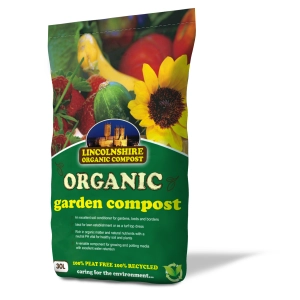
- Applying a thick layer of organic mulch (such as bark or compost) blocks the light required for groundsel seeds to germinate.
Do not add groundsel to your compost heap if it is already in flower as the seeds can still mature and survive the composting process.
Chemical Removal
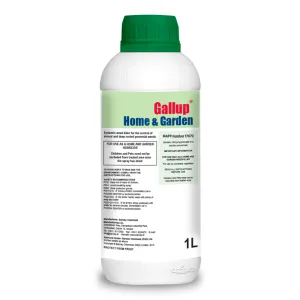
- In heavily infested areas, a contact weedkiller containing glyphosate - like Gallup Home and Garden can be used.
- For the best results, apply when the plant is small and actively growing.
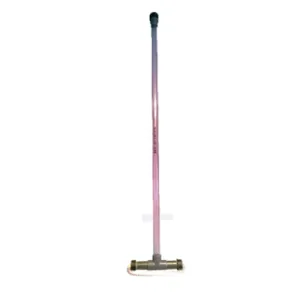
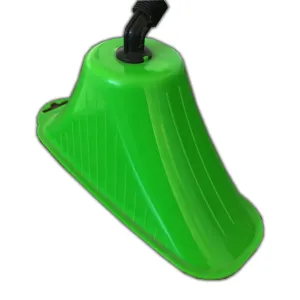
- Use a spray shield or weed wiper to avoid drift and ensure the chemical does not touch nearby ornamental plants.
Always use plant protection products safely and read the label and product information before use. For label and safety information, refer to the manufacturer’s website. Remember, only certified users may apply professional plant protection products. Find out about the safe use of pesticides here.