Nearly all commercially available organic herbicides are classified as non-selective, or broad-spectrum and will kill or severely injure any green plant tissue they contact.
The active ingredients in many organic weedkillers include acetic acid, pelargonic acid, or various essential oils. They work by breaking down the plant's cell membranes, causing rapid desiccation and ‘burndown’ of the foliage.
Unlike synthetic systemic herbicides (like glyphosate), organic options are generally not translocated (moved) throughout the plant's system. They primarily kill the tissue they touch.
Because they are non-selective, any drift or accidental spray hitting your vegetable crop's leaves will result in damage or death to that portion of the plant.
With that in mind, the key to using weedkillers in vegetable gardens focusses on precision and timing.
Considerations Before Selecting an Organic Herbicide
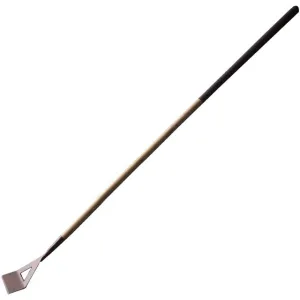
Always remove weeds by hand first if possible using a hoe or simply pulling them, ensuring you remove the root system as well as the foliage. If you have a very large plot or it is not feasible to remove weeds manually, consider an organic non-glyphosate herbicide.
Organic herbicides are most effective on small, young annual weeds (less than 4 inches/10 cm tall) with 2-4 leaves. They are much less effective on mature or perennial weeds with established root systems.
The herbicide should be applied only in the inter-row (between the crop rows), or as a hooded spray (a protective shield around the nozzle prevents contact with the crop).
Organic herbicides work best on warm, sunny, and dry days. Low temperatures or imminent rain severely reduce their effectiveness, potentially requiring re-application.
Products containing pelargonic acid are potent, fast-acting, naturally derived products that quickly break down. They are generally considered some of the most reliable organic options available. However, these products must only be used pre crop planting / before your crops emerge.
Tips for Using Organic Weedkillers in a Vegetable Garden
- Target Small Weeds: Time your spray application for when the majority of target weeds are tiny seedlings.
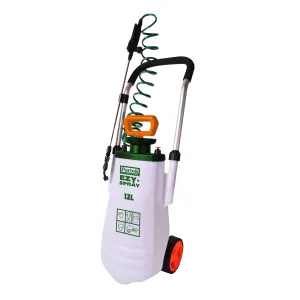
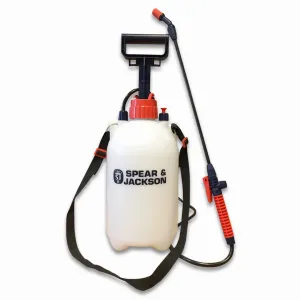
- High Spray Volume/Thorough Coverage: Because they are contact weedkillers, the product must completely cover the weed. Use a high-quality sprayer to achieve maximum saturation.
- High-Precision: Consider using a hood with your sprayer to physically block the spray from touching the desirable crop leaves.
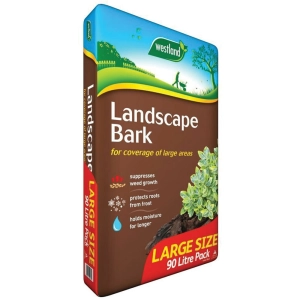
- Integration With Other Methods: Even with a perfect herbicide, some weeds will reappear as contact herbicides will not impact germinating weeds or weed seeds. Use a mulch in between vegetable rows to suppress further weed development.
- Weather: Only apply on a calm, dry, non-windy day. Even a light breeze can carry the spray onto desirable vegetables. Ideally apply on a warm, sunny day - heat accelerates the desiccation process, dramatically increasing effectiveness. Avoid application if rain is expected within 24 hours.
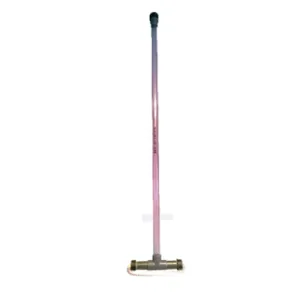
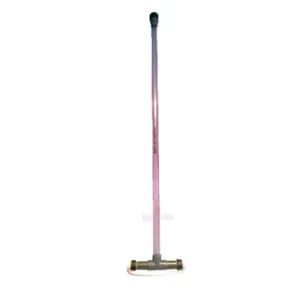
- Additional Precision: For individual weeds next to a crop, consider using a weed wiper to apply the herbicide directly onto the weed leaves.
- Pre-Planting: If you have yet to sow or plant out your vegetable beds and want to use a product containing pelargonic acid, clear the soil, then let it sit for 7-10 days to encourage a "flush" of new weed seedlings, then spray those tiny weeds just before planting your main crops.
Managing Perennial Weeds
It is worth being realistic about which weeds can be easily eradicated and which may require further effort. For example, couch grass, bindweed, and thistles are very likely to regrow.
Spray this regrowth every time it appears. By repeatedly destroying the foliage, the plant is forced to use up the energy reserves in its root, depleting the root over time, making eventual hand removal or hoeing much easier.
Questions about organic herbicides? Contact our technical team for advice.