Environment and Weather Conditions
In the UK, it is not unheard of to get all four seasons in a single day – hail, sun, wind, and heat in one go. Lawn grass is fairly tolerant, but this unique combination of variable weather doesn’t always help you get the best from your turf.
But whether we get this weather in a single day or not, microclimates can be created from shady areas that hold on to water, and conversely exposed sections of lawn may be more susceptible to drought and heat impacts. Pools of water in our gardens can prevent grass from taking up oxygen causing it to wilt and die back, and extreme heat can turn grass patchy and brown.
Both these impacts can leave your lawn exposed to moss and weed growth – moss because it likes damp shady areas, and weeds because they often benefit from deeper roots and other features that make them more tolerant of extreme weather conditions.
Lawns that are not completely level can suffer from patchy grass for the same reason – because dips will hold on to water for longer, and water will drain away from bumps and hills more quickly causing these areas to dry out faster than the rest of the lawn.
In summary, a lawn that doesn’t receive consistent light and water, and is not consistently level can be far more susceptible to patchiness.
The Solution
If possible, level your lawn, and reduce shade by cutting back overhanging trees and shrubs. If you are not able to make significant changes to light or structural amendments, here are our top tips for preventing patchiness from environmental and weather impacts:
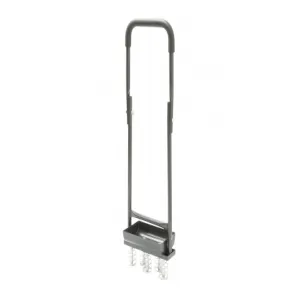
- Make sure you aerate your lawn to help introduce oxygen to the grass roots and prevent excess water from pooling on top.
- Introduce drainage, if possible, around your lawn especially in shady or sloped areas, and be prepared to sweep away pools of water into nearby drains.
- Divert water away from gutters and water butts that might overflow and spill out onto lawns.
- For exposed, drought-affected grass, aeration can also help, especially in high traffic areas where compaction may be adding to the problem. Hard, compacted earth cannot transport water and nutrients as easily to grass roots, causing it to wilt. By aerating, you create spaces in the earth around grass roots which aids the delivery of water, oxygen and vital nutrients.
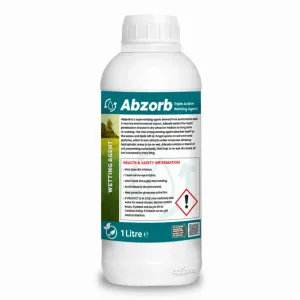
- Use a wetting agent to help improve the water penetration when watering heat stressed grass.
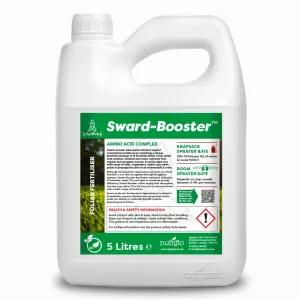
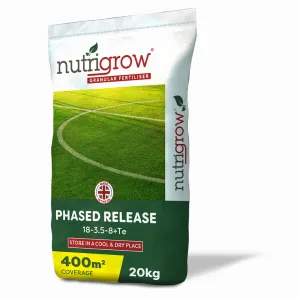
- Give parched lawns a nutritional boost with Sward Booster or a phased release fertiliser when the rain returns to aid recovery.
- It is worth noting that patches can appear under trees, particularly conifers like leylandii. If you are planting a new conifer hedge, bear in mind that grass will grow poorly if at all under conifers. Their needles can acidify the soil over time, and act as a mulch, preventing grass from growing at all.
- Remove fallen leaves as soon as possible, ideally with a blower type machine, and try to avoid raking at this time of the year as it pulls the grass away from the surface thus encouraging moss and weed growth.
Further Reading
- Read our guide to lawn flood recovery for more information about remediation following flooding.
- Read our guide to helping lawns cope in warmer weather for more information about remediation following drought.
Common Infections and Diseases
Our climate in the UK can be damp and humid – the perfect conditions for fungal diseases – particularly in late summer and autumn.
Common fungal diseases include red thread, fusarium patch and dry patch. Controlling them, and other fungal diseases is a case of managing moisture levels – preventing grass from staying damp and ‘suffocated’ for long periods.
The position and aspect of your lawn can impact its susceptibility to fungal infections, since enclosed airless lawns will not dry out as quickly, leaving them exposed to fungi. Smaller lawns with high walls or fences on all sides are generally more prone to fungal disease problems.
The Solution
- Since fungi love damp, still air, improve air flow and light by pruning any overhanging trees and removing fallen leaves and debris.
- Lower the height of fences and walls if it is possible to do so or introduce air flow with open lattice or trellis in sections of fencing, or air bricks in walls.
- Switch your watering regime from the evening to the morning since evening watering leaves the grass damp overnight – and nothing likes damp grass as much as red thread!
- Avoid using high nitrogen feeds in autumn as nitrogen encourages lush top growth that diseases like fusarium patch love to ‘eat’.
- As we discussed at the start of this guide, make sure you aerate your lawn to improve drainage – preventing water from pooling on your grass.
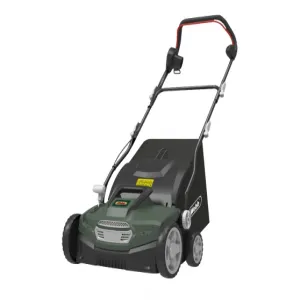
- Finally, scarify your lawn to remove thatch. Thatch can act as a sponge for moisture and a nursery for fungal spores.
Further Reading
- Read our guide to scarifying to find out when and how to undertake this important process.
- There are many different fungal diseases that can impact the health of your lawn – take a look at our library of guides here.
Pests and Insects
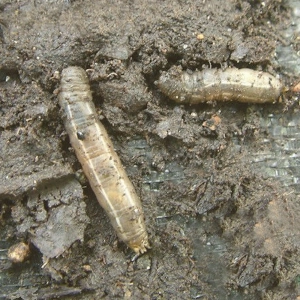
One of the most common pest problems afflicting UK gardeners and lawn lovers are chafer grubs and leatherjacket larvae that reside in the soil beneath lawns.
Chafer grubs are the larval stage of the chafer beetle, and leatherjackets are the larval stage of crane flies. They both lay eggs on the soil in summer which go on to form the grubs that do so much damage to our lawns.
These larvae eat the roots of grass which turns it patchy and brown. This in turn attracts birds and mammals who dig the lawn up to get at the grubs beneath - causing further damage.
The Solution
- Understanding the lifecycle of chafer grubs and leatherjacket larvae can help you identify what product or process is most appropriate to use when – depending on which stage of the lifecycle they are at. There are various solutions from traps to biological and chemical controls.
- Whilst you cannot completely ‘bug proof’ your lawn, you can make the environment slightly less attractive to chafer beetles and crane flies by keeping your grass longer in the peak egg laying season – May to June for chafer beetles and August to September for crane flies. Both insects want to get their ovipositors (egg laying organs) close to the soil surface, so although it is not a guaranteed deterrent, keeping your grass a little longer can help prevent them from doing so – and encourage them to move off to find shorter grass.
- Turn off outdoor lighting and decorative garden lights during peak egg-laying season. This is especially helpful in deterring crane flies as these lights encourage them to spend time in your garden.
- Keep your lawn dryer if possible during egg-laying season by aerating. Both insects prefer moist soil for egg laying.
- Greenkeepers are known to use a heavy roller in autumn to slightly compact the top layer of soil. This makes it harder for the larvae to move around and in some cases, it can crush recently laid eggs. Be careful not to over compact the soil if you choose this method.
Further Reading
- Find out how to use biological controls like nematodes to control chafer grubs in our guide.
- There are other pests that can cause patchiness in lawns, namely ants. Take a look at our guide to controlling them using biological controls.
Other Common Causes of Lawn Patchiness
Dog Urine Patches
Two of our greatest loves in the UK are lawns and dogs! It can however be difficult to reconcile these when it comes to maintaining a pristine lawn. So, we can’t finish this guide without referring to the problem of lawn patches caused by dog urine.
Some gardeners swear by diluting urine if you can catch your dog in the act. You will need to dilute the urine with at least a litre of water to flush the high concentrations of nitrogen and salts away and prevent it from scorching your lawn, and you will have to get to it very quickly – the moment they finish urinating. However, this perhaps isn’t the most practical solution since you will need to constantly watch your dog and follow them around the garden!
Most pet shops sell ‘dog rocks’ to use in your dog’s water bowl. These purport to filter some of the nitrates that naturally occur in tap water – causing the dog’s urine to become less potent. Alternatively, you could train your dog only to urinate in designated areas of the garden.
The Solution
At Agrigem, we would advise:
- Select a tolerant seed variety that is likely to be able to handle high nitrogen doses better than others – such as perennial ryegrass. Although this is not a guarantee, it can help give you more time to dilute urine than finer fescue blends.
- Avoid drought stress. A dry thirsty lawn is much more prone to urine burns, so keeping it well hydrated during dry spells helps the soil absorb the urine more readily.
- Finally, repair the damage. If a patch has been created and the grass is dead, rake it out, soak the area to remove the salts and then repair it with a tolerant seed variety.
This post was written in collaboration with Spencer Haines.
Spencer Haines
Spencer Haines is an experienced turf industry professional and Agrigem’s Technical Account Manager in charge of lawncare. Spencer manages Agrigem’s lawn customers as well as bowls clubs, schools and colleges, and is highly knowledgeable in the technical aspects of creating and maintaining high-performance turf.
Spencer’s experience in professional turf maintenance is coupled with a genuine interest and enjoyment of lawn care that he shares with customers; providing expert advice and guidance built on solid experience. He focuses on working closely with customers to deliver on specific objectives – on time, on budget and to exacting standards.
Article Notes:
- Nutrigrow is a trademark of Agrigem Ltd.
- Sward Booster contains Total Nitrogen 1.48%, Ammonical N 1.08%, Nitrate 0.18%, Organic N 0.22%, Phosphorus (P2O5) 0.34%, Potassium (K2O) 0.97%, Magnesium (MgO) 0.1%, Boron 0.027%, Copper 0.036%, Iron 1.1%, Manganese 0.036%, Molybdenum 0.018%, Zinc 0.036%, Seaweed Extract 5%, Humic Acid Complex 0.6%, 19 L-form Amino acids package 5%. Sward Booster is a trademark of Agrigem Ltd.
- Abzorb contains humic acid, surfactants and colourants. Abzorb is a trademark of Agrigem Ltd.
- Use plant protection products safely. Always read the label and product information before use. For label and safety information, refer to the manufacturer’s website.
- Only certified users may apply professional plant protection products. Find out more about safe use of pesticides here.