We think it was Jane Austen who said: “It is a truth universally acknowledged, that even with the best lawn care in the world, patches from grubs, weeds or moss will nearly always occur.” *
Ok, she might have been talking about single men, but you get the point - nature always finds a way to disrupt your efforts when it comes to creating a beautiful lawn!
So, if (like us) you love your lawn, you’ll be keen to get it as consistently green as possible when tackling those patches.
When you do start to think about overseeding, it pays to remember that preparation is everything. A bit like painting and decorating, get the preparation phase right and the rest will follow easily.
In other words, don’t be tempted to throw some seed out in the hope it will simply thicken and re-green your lawn; if you’re after golf-green consistency, you need to focus on seed-to-soil contact and uniform distribution. Here’s how to do it:
1. Select the Right Seed
First of all, make sure you buy a seed blend for overseeding that matches your current grass type – as closely as you can.
If you have a fine-bladed fescue lawn for example and you overseed with a more hard-wearing mix, your lawn will look patchy simply because of the texture and colour difference - even if you apply the seed perfectly.
If you’re not sure what type of grass you have, grab a blade or two and examine it under a good light:
- Perennial ryegrass: The underside of the leaf is shiny and glossy. The front has visible ridges. This is the most common UK lawn grass.
- Tall fescue: The leaf is wider and has very prominent, deep ridges on the top. It feels a bit tougher or scratchier to the touch.
- Fine fescue: The blades are very thin - almost like pine needles.
2. Prepare the Ground
Grass seed won't grow if it’s sitting on top of dead grass (thatch) or old leaves. You must give it an open and clear path to the soil, so:
- Cut your existing grass shorter than usual without scalping it. This prevents the old grass from shading out new growth.
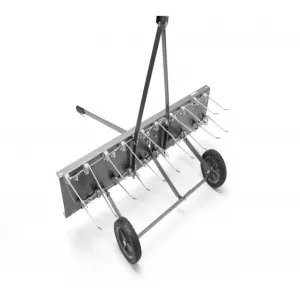
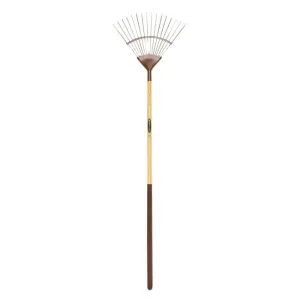
- Use a heavy-duty rake or de-thatcher to remove the layer of debris, moss and thatch at the soil surface. This is called scarifying – read more about this process in our guide here.
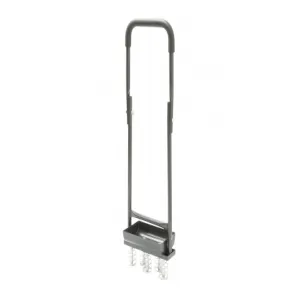
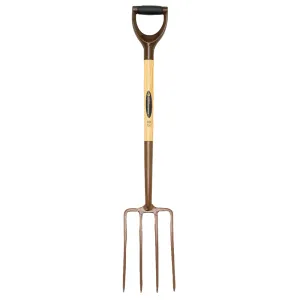
- If your soil is hard, the seeds will just wash away in the first rain. Aeration creates pockets to improve water and air flow to the roots which assists in the overall health of the grass. It also provides a base for top dressing that will keep seeds in place. Use a hollow tine aerator or a garden fork.
Read more about this process here.
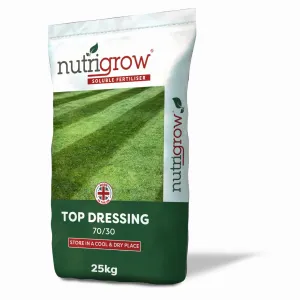
- Lightly top dress the ground now. Top dressing helps create an even surface and improves drainage and disease resistance. For consistency, use a spreader (handheld or push along depending on the size of your lawn) to distribute it.
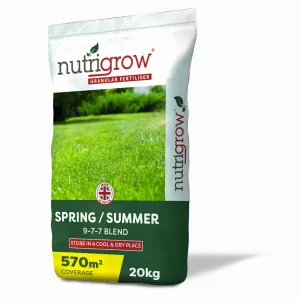
- Now apply a pre-seeder fertiliser. It is important to use a spreader (as you did with the top dressing) to distribute it evenly, because if you manually broadcast it over your grass, you are likely to get a patchy coloured lawn. A spreader will distribute fertiliser evenly and consistently.
- Finally, if there is no rain, water the top dressing and fertiliser using a fine spray to avoid shifting it around, ensuring the ground is moist.
That’s the preparation done, now you can sow!
3. Sow Your Grass Seed
Make sure you have a spreader ready to sow it evenly, and make sure the spreader is clean and dry and completely free of other product residues.
You’re going to apply the grass seed methodically, so don’t start walking around randomly! Here’s how to do it to get even, consistent growth:
- Work out your spreading rate according to the seed pack instructions and the size of your lawn (usually 25-35g per m2 for overseeding, but you can go as high as 50g per m2 for very thin and patchy lawns). Now set-up / calibrate your spreader accordingly. If you haven’t calibrated a seed spreader before, check the instruction manual carefully.
- Split your total seed amount into two equal piles.
- With the first half of the seed, walk your spreader back and forth horizontally (east to west) across the lawn.
- Then, with the second half of the seed, walk your spreader vertically (north to south) using the second half of the seed.
- This grid method ensures that any missed spots from the first pass are caught by the second.
4. Instigate Seed to Soil Contact
Now the seed is down, you need to make sure it has good contact with the soil.
- Use a rake to gently rake the seed into the surface without moving it around too much or burying it deeply – you are aiming for the seed to be in contact with the soil, rather than sitting on top of it.
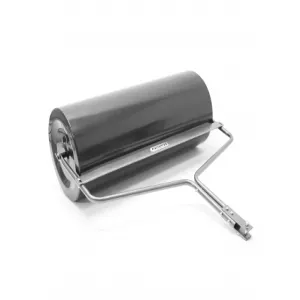
- Depending on the area covered, use a roller or firm the seed in gently by walking and pressing down with your feet slightly as you go.
- Protect your lawn from birds if it is possible to do so using netting or criss-crossing twine / string across your lawn. This will prevent patchy growth where opportunistic pigeons decide to feast on the seed or freshly emerging grass.
5. Watering
For good germination and successful growth, your seed will now need a consistent watering regime. This is the step that many neglect but is the most important. Seed must be kept in constantly moist soil to germinate well.
Once you’ve firmed in the seed, if it isn’t raining, use a fine spray or sprinkler setting to wet the surface gently without moving the seed.
You now need to keep the soil moist:
- Weeks 1 – 3: Two to three short bursts of fine spray each day. You are aiming to keep the top inch of soil constantly moist.
- Weeks 4 – 6: Water once a day for slightly longer periods. You are now aiming to encourage roots to push deeper into the soil.
- Week 7 onwards: Water 2 – 3 times a week until the new grass is at least 3 – 4cms high.
6. Mowing and Aftercare
Don’t mow your lawn until the newly sown grass reaches 5cm in height. If you mow too soon, you may damage the vulnerable new growth which can cause patches once more.
- When you mow, set your blades to their highest setting so that you are removing no more than one third of the total leaf length.
- As you progress with your mowing regime, gradually lower the mower blades towards your normal desired height. Have patience and do this process slowly over several mows. This helps your newly sown grass to properly establish its roots and therefore grow as consistently as the older established grass.
- Apply a lawn fertiliser six weeks after sowing to give the entire lawn a boost. Choose one that is formulated to the season you undertook the sowing: spring or autumn.
Tips for Success
- Heavily shaded areas of lawn can prevent grass from greening in the same way as grass that is in the sun. Cut back any overhanging trees or bushes to provide as much light as possible and choose a shade-tolerant species of grass for these areas. Keep your mower setting higher in these areas and reduce foot traffic if possible.
- If you have a dog, your new lawn might inevitably start becoming patchy again from dog urine. Take a look at our guide for dealing specifically with these patches.
- Make sure you only overseed in spring or autumn when the soil temperatures are consistently above 8°C.
- Always wait 4 – 6 weeks to sow new seed after using weed killers or moss killers.
- Try not to walk on your newly sown grass until the first mow. This will give your new seed the best possible chance at consistent, undisturbed growth.
Want to know how long it will take for your seed to germinate? Take a look at our guide here. For lots more information on lawn care, guides and tips, take a look at our lawn care library.
*Sincere apologies to Jane Austen.
This post was written in collaboration with Spencer Haines.
Spencer Haines
Spencer Haines is an experienced turf industry professional and Agrigem’s Technical Account Manager in charge of lawncare. Spencer manages Agrigem’s lawn customers as well as bowls clubs, schools and colleges, and is highly knowledgeable in the technical aspects of creating and maintaining high-performance turf.
Spencer’s experience in professional turf maintenance is coupled with a genuine interest and enjoyment of lawn care that he shares with customers; providing expert advice and guidance built on solid experience. He focuses on working closely with customers to deliver on specific objectives – on time, on budget and to exacting standards.
Article Notes:
- Nutrigrow is a trademark of Agrigem Ltd.
- Use plant protection products safely. Always read the label and product information before use. For label and safety information, refer to the manufacturer’s website.
- Only certified users may apply professional plant protection products. Find out more about safe use of pesticides here.