1. Test the Soil
Before you spend a penny on fertiliser, you need to know what your soil needs. Applying nutrients blindly is often a waste of money.
A paddock soil analysis will return crucial nutrient information telling you precisely what your paddock soil pH is, and which macro and micronutrients are available in the soil.
Your soil analysis report will show you where any deficiencies exist and provide you with a recommendation for remediation. This information is critical in supporting optimum plant health and plant growth.
It is helpful to understand excess nutrient availability as much as nutrient deficiencies because some excesses (phosphorous for example) not only pose a concern for water quality but can also lead to health problems for livestock grazing the fields.
For more information about the importance of testing paddock soil, refer to our full guide here.
2. Harrowing
Harrowing is one of the most effective ways to wake up the grass after a stagnant winter. It helps aerate the soil allowing oxygen to reach grass roots. It is also a beneficial way to remove dead grass, level out bumps and help break up clods.
In poached areas of the field, harrowing will create a more even surface ready for the next steps - to fertilise and sow seed. It also helps water infiltration allowing new seeds and growing grass to be properly fed.
If you have old droppings in the field, harrowing breaks them down and spreads them, acting as a natural (though mild) fertiliser. Finally, it creates a tilth (a fine, crumbly soil surface) which is essential if you plan to follow up with seeding.
3. Repairing Hotspots and Overseeding
Gateways, fencelines and water trough areas take the most abuse – they need a hardy, fast-growing seed mix that can handle the traffic.
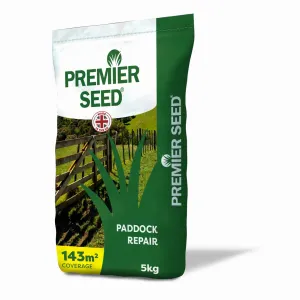
- For Small Areas: Use Premier Paddock Repair Seed Pack. It’s perfect for those bare corners and covers approximately 143m².
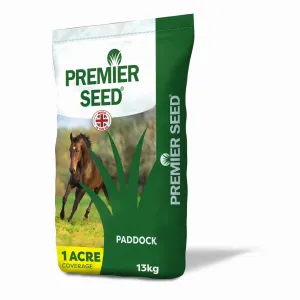
- For Larger Renovations: If your field has suffered significant thinning, Premier Paddock Grass Seed is the gold standard.
- This mix includes Creeping Red Fescue, which helps create a dense knit or mat of grass – making the surface more durable against future hoof traffic.
Adding new seed to the sward by overseeding will help improve the vigour and overall look of the field. Only 50% of the original varieties remain in your grass after five years - generally, weed grasses replace those lost which are less productive.
If you are intending to overseed the whole paddock, take a look at our guide to overseeding a paddock.
4. Pasture Nutrition
Once your soil is tested and your bare patches are sown, you need to kick-start growth.
If you have already completed a soil analysis, you will know which fertiliser you should be applying. Fertiliser will replenish nutrients and encourage grass growth, so making sure you have the right fertiliser for your paddock is essential as your horse relies on grass for many of its nutrients.
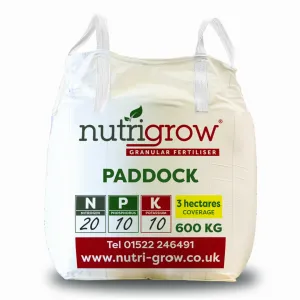
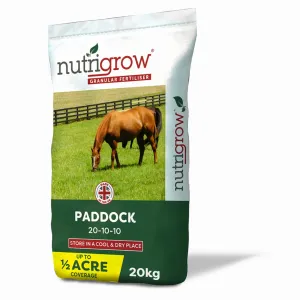
If your paddocks are low in nitrogen, then you should consider a higher nitrogen fertiliser like 20-10-10 - available in 25kg bags and 600kg bulk bags. Widely known as the standard treatment for paddocks and pasture for many years, this product is ideal for general maintenance or to feed grass for intensive hay production and grazing.
Nitrogen does not form part of a soil analysis as it is regarded that there is not enough in the soil to grow a crop for a season. It is therefore always recommended to apply it - the amount being dependent on intended use (for example, less for grazing horses, more if you want to take a cut of hay or haylage from it).
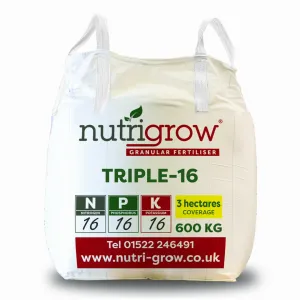
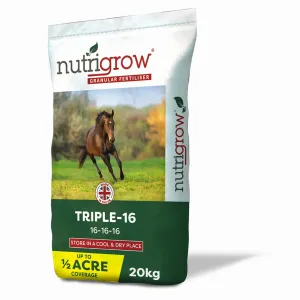
If you require a more balanced fertiliser then consider 16-16-16 (otherwise known as Nutrigrow Triple16). This can be particularly useful if you are on ground which is slightly deficient in phosphate or potassium.
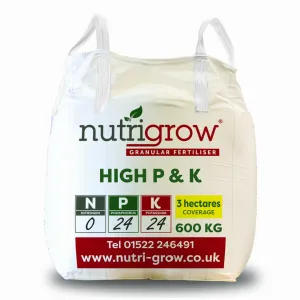
For horses that may be at risk of laminitis, you will need to choose a low nitrogen fertiliser like 0-24-24 in order to reduce the amount of sugar / starch in their grazing diet.
However, nitrogen is not the direct cause of laminitis; rather, the primary culprits are non-structural carbohydrates (NSCs) - like sugars and fructans. Both can occur from environmental stresses, overgrazing, and because the species of grass present in the paddock is naturally bred to be high in sugar.
You should not avoid fertilisers altogether, because they:
- Replenish essential soil nutrients that are depleted by grazing and hay production.
- Produce a lush, high-quality forage crop.
- Promote stronger root systems and faster regrowth, which in turn prevents soil erosion and stops weeds from taking over thin patches of grass.
Ready to get started? You can find the full range of professional equestrian seeds, fertilisers, herbicides and application equipment online.
This post was written in collaboration with Millie Wilkinson.
Millie Wilkinson
Millie Wilkinson is Agrigem's Account Manager in charge of equine customers. She has more than 12 years' experience in the equine sector including running her own yard, competing for the England team in the Pony Club, working as a showjumping competition groom, and latterly a showjumping coach.
Millie has ridden, owned, and sold horses her whole life. She is an established name online where she is an active voice in the latest conversations around elite horses. Millie is a keen proponent of good grazing nutrition and the importance of high-quality paddock maintenance in supporting the health of all horses.
Article Notes:
- Nutrigrow is a trademark of Agrigem Ltd.
- Premier Seed is a trademark of Agrigem Ltd.
- Use plant protection products safely. Always read the label and product information before use. For label and safety information, refer to the manufacturer’s website.
- Only certified users may apply professional plant protection products. Find out more about safe use of pesticides here.