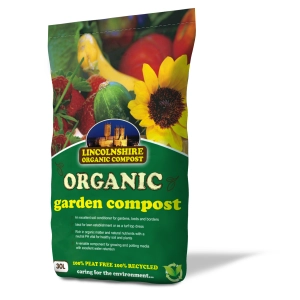
Mulch and Compost – the Difference
While the terms are often used interchangeably, mulch and compost serve distinct purposes:
Compost (The Soil Builder)
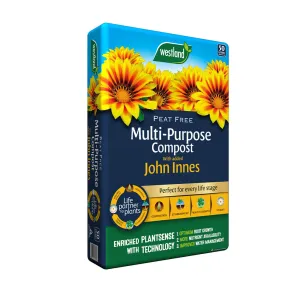
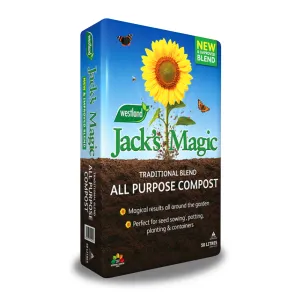
Compost is usually dug into the soil or applied as a mulch that eventually gets pulled down by worms. It focuses on fertility, improving soil structure, and introducing beneficial microbes.
Mulch (The Protector)
Mulch acts as a layer of material (organic or inorganic) placed on top of the soil. Its primary jobs are moisture retention, weed suppression, and temperature regulation.
Impact on Growth
Vegetable Growing
Mulch is vital for crops like tomatoes and cucumbers to prevent blossom end rot as it promotes moisture consistency.
Mulching with straw or black plastic keeps low-hanging fruit (like strawberries or squash) off the damp soil, preventing rot. Using well-rotted manure as a mulch also provides a slow-release nitrogen boost for hungry brassicas.
Shrub and Border Growing
Newly planted shrubs (like Hydrangeas or Roses) are vulnerable to drying out. Mulch can help prevent evaporation by up to 70%.
A thick layer protects the root balls of tender perennials (like Dahlias or Salvia) from hard UK frosts, while a neat layer of bark chippings provides a professional, finished look to ornamental borders.
Types of Mulch
| Type | Best For | Characteristics |
| Landscape Bark | Roses and Borders | Dark, attractive, and breaks down relatively slowly. |
| Wood Chips | Paths and Trees | High carbon; best for established woody plants. Avoid fresh chips around delicate seedlings. |
| Well-Rotted Manure | Vegetable Beds | Nutrient-rich. Must be ‘spent’ (not smelling of ammonia) to avoid burning plants. |
| Leaf Mould | Woodland Plants | The Gold Standard for shade-lovers like ferns and hostas. |
| Strulch | Strawberries/Veg | Mineralised straw that lasts up to two years and deters slugs. |
| Grit/Gravel | Alpines & Succulents | Excellent for drainage; prevents neck rot in Mediterranean herbs like Thyme. |
How and When to Use It
The best time to mulch in the UK is late winter or early spring (March/April). Never mulch on top of dry soil. Wait until the ground is thoroughly soaked by spring rain but starting to warm up. If you mulch dry soil, you effectively seal out future light rain.
- Clear the ground. Remove all perennial weeds first. Mulch won't kill these; it’ll just make them stronger!
- If the ground isn't damp, give it a good soak.
- Spread a layer 5cm to 7.5cm (2–3 inches) thick.
- Never pile mulch against the woody stems of shrubs or tree trunks. This causes the bark to rot. Leave a small gap around the base of the plant.
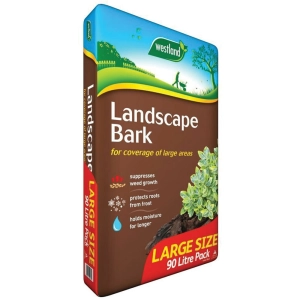
For instant appeal, use landscape bark. This natural material will break down over time, helping to feed the soil. Apply it in early spring to prevent weeds from establishing once the soil starts to warm.
Always check that your bark is from responsible conifer plantations certified by the Forestry Stewardship Council (FSC).
Mulch naturally insulates the earth, keeping it cooler in summer months and preventing it from drying out. It helps retain warmth in winter and prevents frost from the reaching the soil and therefore the roots of your plants.
The moisture retention properties of mulch are the main reason gardeners use it. Large gardens require a lot of water and mulch helps to keep this water bill down.
Landscape Fabric as Mulch
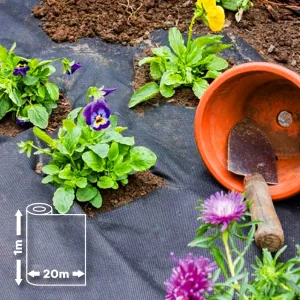
Landscape fabric is sometimes used as a method of weed suppression due to its strength and longevity.
Landscape fabric should allow water to penetrate down to the earth and should be puncture resistant, so even the toughest weeds will find it impossible to penetrate.
However, you should maintain it carefully and replace it each season. This is because over time, leaf litter and other garden debris can collect on top of landscape fabric. As this ‘composts’ down, weed seeds that are blown in will go on to germinate on top of the fabric.
This post was written in collaboration with Ollie Wright.
Ollie Wright MBPR FQA
Ollie Wright serves as the Technical Manager at Agrigem, where he oversees the integrity and accuracy of the company’s technical output. A recognised figure within the UK turf-growing sector, Ollie leads Agrigem’s technical response, ensuring that all guidance provided to retail and trade clients remains rigorous, compliant, and at the forefront of industry standards.
With a career built on a foundation of practical experience in farming and landscaping - including the successful management of his own firm - Ollie bridges the gap between theoretical science and field application. His extensive hands-on background is reinforced by industry credentials, including RHS Horticulture, amenity turf and hard surface BASIS, and FACTS qualifications. This unique combination of expertise allows him to deliver high-level strategic advice across diverse sectors regarding plant protection products and complex legislative requirements.
Article Notes:
- Westland is a trademark of Westland Garden Health.
- Use plant protection products safely. Always read the label and product information before use. For label and safety information, refer to the manufacturer’s website.
- Only certified users may apply professional plant protection products. Find out more about safe use of pesticides here.