Before you grab a shovel, identify the reason the bumps are there. If you don't fix the cause, the bumps will come back.
- Drainage issues? If water pools, or the soil softens and shifts, this could indicate a drainage issue.
- Pest problems? Moles, voles, or grubs can create lumps, tunnels and soft spots.
- New home? Lumpy lawns are sometimes seen in newer homes where the soil wasn't properly compacted.
- Inherited an unmaintained lawn? Thick layers of old grass and thatch can create a spongy, uneven surface.
Seek professional advice to correct any underlying issues before embarking on levelling your lawn.
Minor Bumps Less Than 1 Inch
If your lawn ‘catches’ when you mow, top-dressing is the most effective and least invasive method.
- Mow low - cut the grass shorter than usual so you can see the dips.
- Use 70/30 Top Dressing containing specially selected sand and high quality top soil.
- Shovel this into the low spots.
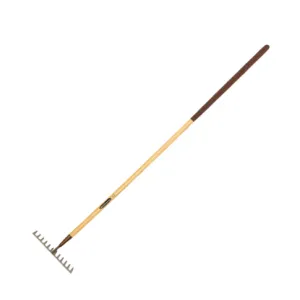
- Use a soil rake to spread the mix until it's even with the surrounding ground.
- Don't bury the grass completely. Ensure at least half of the grass blades are still poking through so they can photosynthesise.
- Overseed if required.
Deep Holes Over 2 Inches
For localised or deep ruts, don't just dump dirt on top as this will kill the grass underneath.
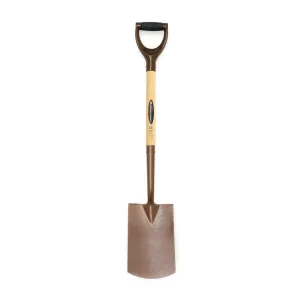
- Use a sharp spade to cut an H shape into the turf over the hole.
- Gently peel back the two flaps of turf to expose the soil underneath.
- Add Top Dressing into the hole to bring it up slightly higher than the main lawn level, then pack it down firmly. If the holes are very deep, use screened topsoil with the 70/30 top dressing on top.
- Fold the turf flaps back over the new soil.
- Step on it to ensure good contact and water it immediately.
Widespread Chaos!
If the lawn is more bump than grass, or if you have significant bumps that send water toward your property for example, you probably need to start from scratch.
- Use a turf cutter to remove the existing grass or a tiller to turn it all over.
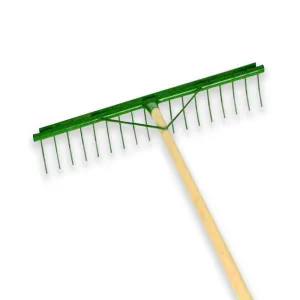
- Use a large landscape rake (or a tractor with a box blade for very large lawns) to level the subsoil.
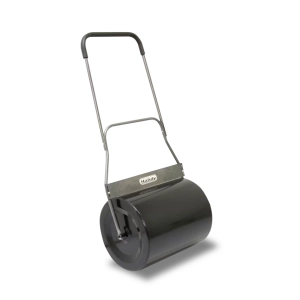
- Use a lawn roller to ensure the soil won't just sink again the first time it rains.
- Rake the lawn to create a fine tilth. This helps improve seed germination rates.
- Use a pre-seeder fertiliser to support healthy grass growth.
- Reseed with a high-quality seed.
Tips for Success
- Timing is everything! The best time to level is late spring or early autumn. You want the grass to be in its peak growing phase so it can recover quickly.
- After levelling, keep the area moist but not soggy. Treat it like a newly sown lawn for at least two weeks.
- Aerate large lawns when level to help relieve any compaction issues. This will also help your topsoil to anchor itself into the main law.
This post was written in collaboration with Spencer Haines.
Spencer Haines
Spencer Haines is an experienced turf industry professional and Agrigem’s Technical Account Manager in charge of lawncare. Spencer manages Agrigem’s lawn customers as well as bowls clubs, schools and colleges, and is highly knowledgeable in the technical aspects of creating and maintaining high-performance turf.
Spencer’s experience in professional turf maintenance is coupled with a genuine interest and enjoyment of lawn care that he shares with customers; providing expert advice and guidance built on solid experience. He focuses on working closely with customers to deliver on specific objectives – on time, on budget and to exacting standards.
Article Notes:
- Nutrigrow is a trademark of Agrigem Ltd.
- Use plant protection products safely. Always read the label and product information before use. For label and safety information, refer to the manufacturer’s website.
- Only certified users may apply professional plant protection products. Find out more about safe use of pesticides here.